

 Skip to content
 Peak rates that determine your bill, a grid operator that can’t supply additional power, and gas prices that are steadily rising: energy has become a strategic issue for industrial companies. EnergyKing views your site as a single entity and handles the supply, installation, and management of all technical systems in-house.
From design to completion: EnergyKing supplies the complete energy and HVAC system, so you work with a single technical point of contact instead of eight.
From the initial yield study to installation: solar panels that are architecturally appropriate and technically sound.
Absorb peak power and increase self-consumption with a compact setup that you can plan for in advance based on your available space.
Popular brands and designer models, ranging from a single charging station to a full parking lot with load balancing and charging tubes.
KingConnect coordinates the operation of solar panels, a battery, a charging station, and a heat pump based on usage and rates.
Air-to-water with an outdoor unit or geothermal with vertical boreholes, tailored to heat demand and available space on the property.
From sleek wall-mounted units to built-in duct models that you can hide out of sight in the suspended ceiling.
System C+ or balanced ventilation D, with duct runs and grilles that fit within your ceiling and duct layout.
Rainwater harvesting, water softeners, installation of plumbing fixtures, leak detection, and domestic hot water.
For an energy-intensive business, the bill is determined not only by the price per kWh, but mainly by the power you draw from the grid at peak times. The grid operator charges you for your monthly peak, plus the power capacity you agree to in advance: if you exceed that limit, you’ll continue to pay for the excess for twelve months.
So, that 15-minute period when you start everything up determines your bill for the rest of the year. KingConnect Pro, our EMS, views your entire site as a single unit, sets a peak value each month, and intervenes in real time as soon as your consumption threatens to exceed that limit.
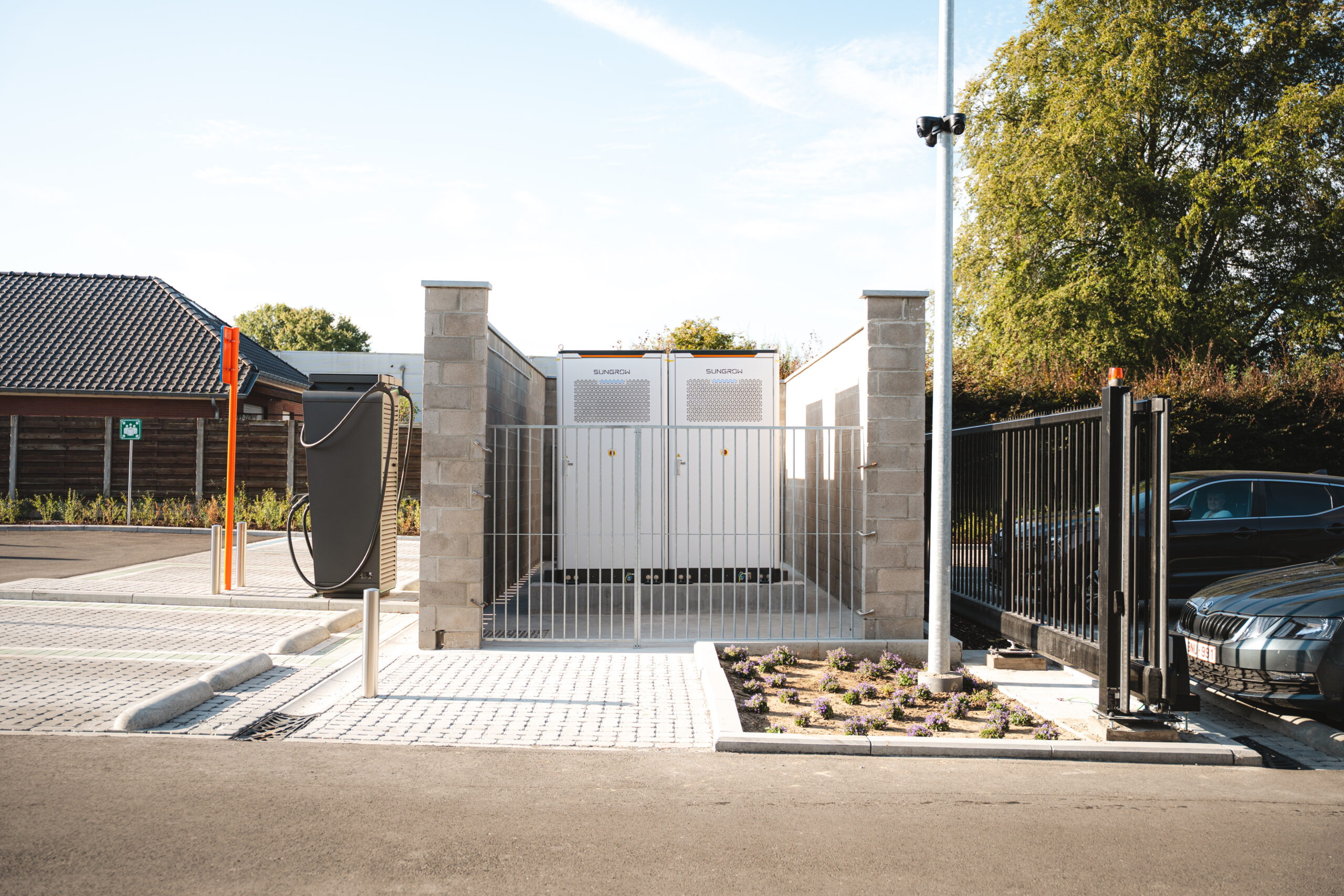
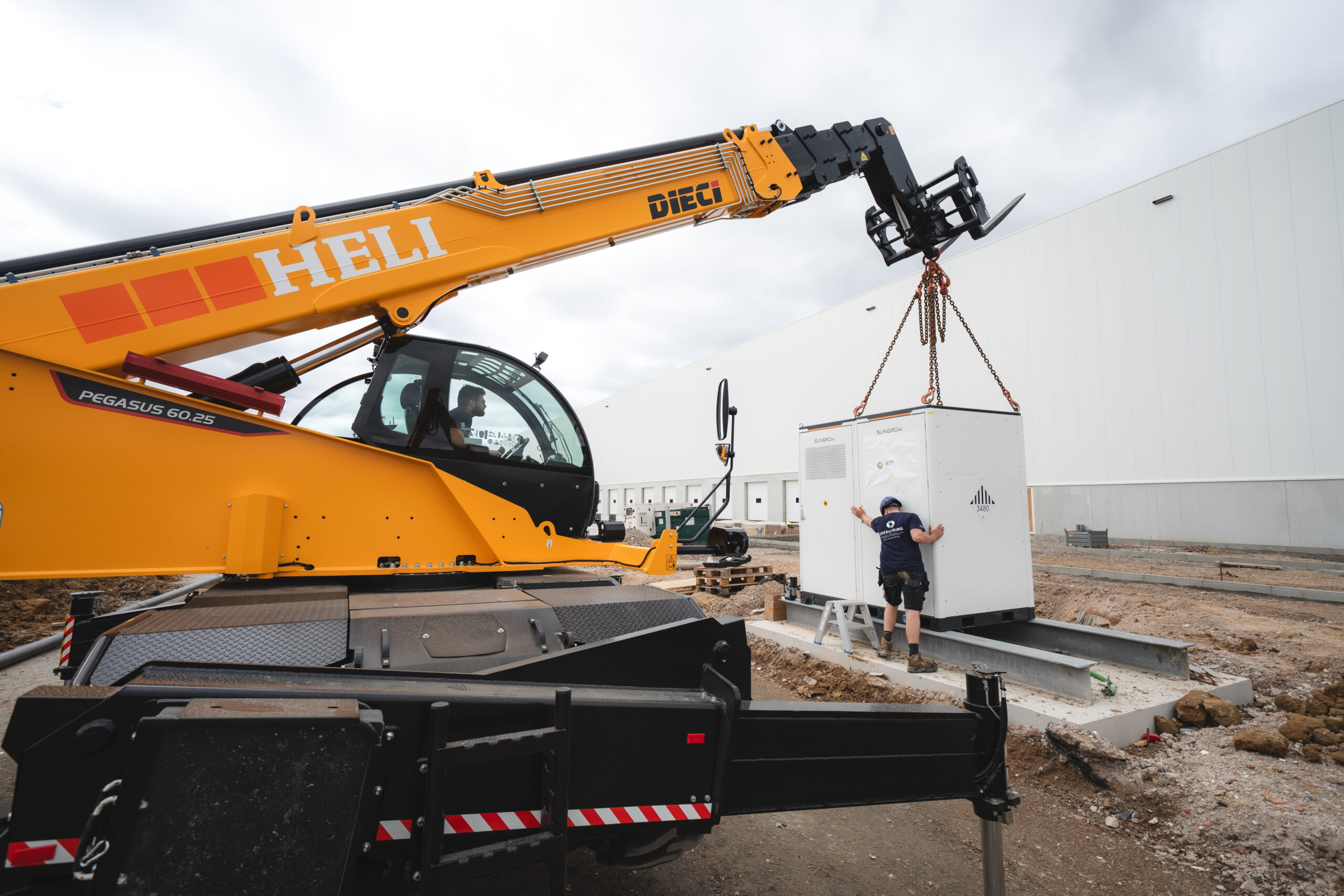
Your expansion is all set: the permit has been granted, the machinery has been ordered, and the budget has been approved. And then it turns out that the grid operator can’t supply any additional power.
At the beginning of 2025, there were 35 business applications pending at Fluvius; by May 2026, that number had risen to approximately 2,000. In grid areas that are at capacity, you are now offered a flexible connection: your full capacity, provided that you temporarily reduce your consumption when the local grid is at risk of overloading.
With battery storage and smart control, you'll hardly notice a thing on the shop floor.
If you invest in solar panels, battery storage, or a new HVAC system, you can deduct an additional 40% of the investment amount from your taxable income. For investments made in 2026, this percentage applies to all businesses, large and small.
Here’s an example: if you invest 250,000 euros, you can deduct an additional 100,000 euros, which amounts to 25,000 euros less in corporate income tax—on top of what you’ll save on your energy bill anyway. It’s not a subsidy but a tax deduction, and if you don’t have enough profit, the deduction carries over to future years.
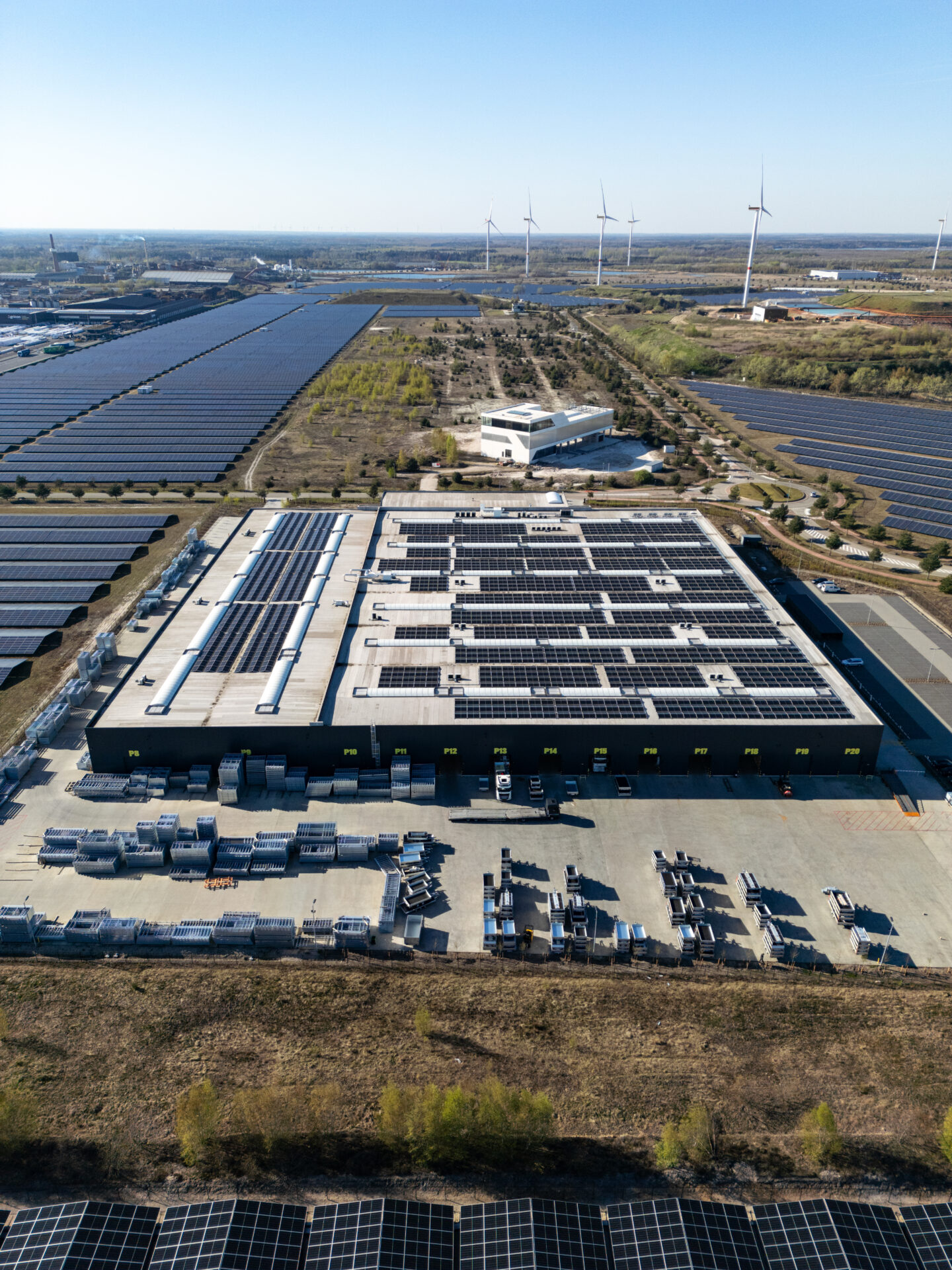
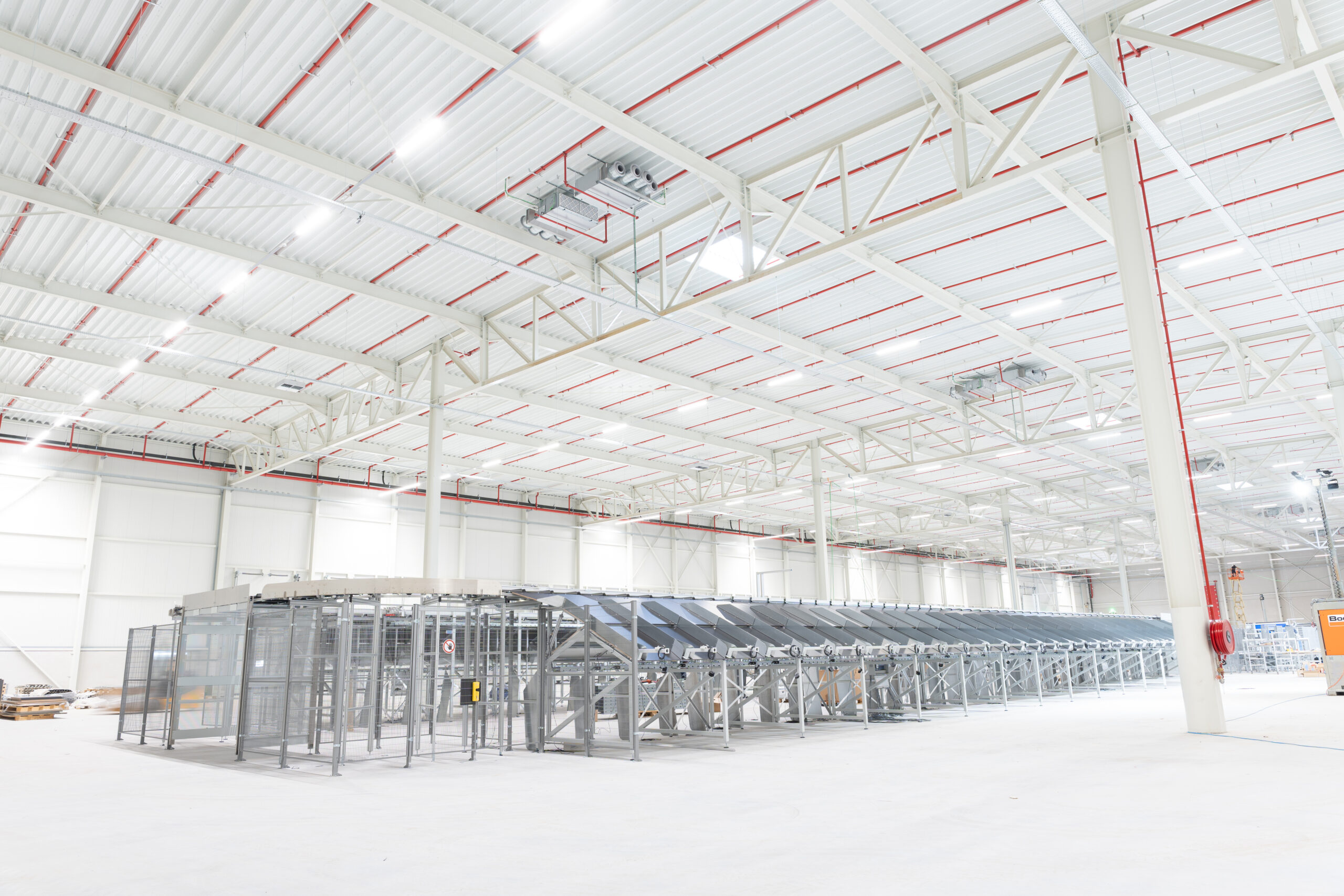
For energy-intensive companies, heating with natural gas is becoming less of a given every year. Starting in 2028, Europe will introduce the Emissions Trading System (ETS2): your supplier will then pay for the CO₂ emitted when natural gas is burned, and that cost will be added directly to your bill. In the same year, Flanders will shift a portion of its taxes from electricity to gas and heating oil, and federal excise taxes will also increase.
A heat pump heats your halls and offices without using gas, cools them in the summer using the same system, and runs on R290, a natural refrigerant that is not subject to the phase-out of F-gases.
