Skip to content
What is curtailment?
Curtailment literally means “restriction” or “shutdown.” In the context of solar energy, this means that you intentionally limit or temporarily shut down the output of your solar panels. In other words: at times when you generate more electricity than you need or than the power grid can handle, you choose to shut down (part of) the system.
That may sound contradictory. You might think you’d want to use every bit of green energy. Yet in certain situations, it’s more cost-effective to temporarily scale back production, especially when it doesn’t make financial or technical sense to feed that energy into the grid.
The challenge: rising injection costs
Your company has invested in solar panels to save on energy costs and operate sustainably. But more and more often, you’re finding that feeding excess electricity back into the grid no longer generates any revenue—in fact, it’s costing you money.
On sunny or windy days, thousands of solar installations generate large volumes of electricity simultaneously, leading to price drops and sometimes even negative market prices. In 2024, for example, Belgium set a record with more than 400 hours of negative electricity prices (over 80% more than the previous year). If you feed electricity into the grid during such times, you actually have to pay to get rid of your energy. This is the opposite of what you would expect and, of course, cuts into your company’s profitability.
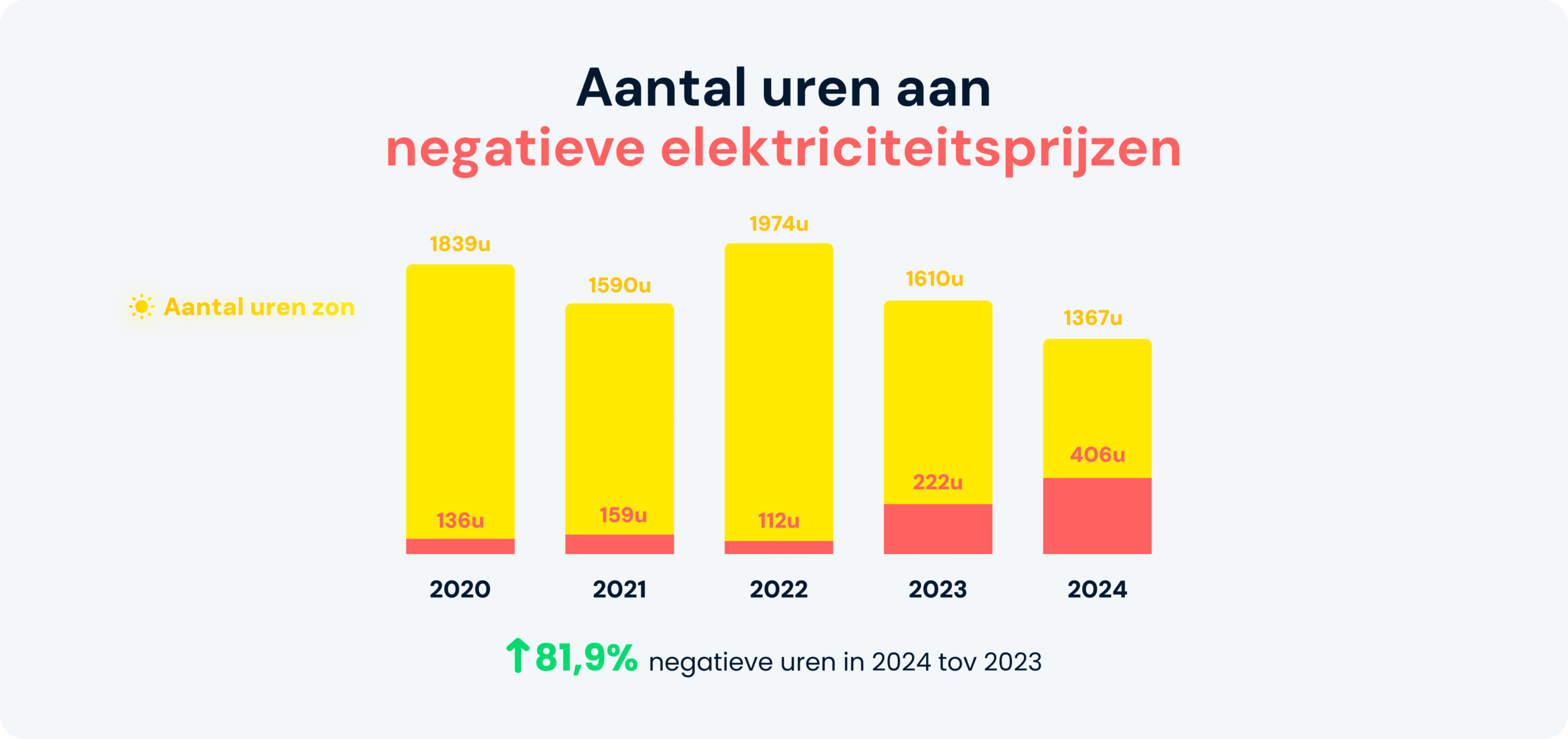
These negative prices are the result of the strong growth of renewable energy in Flanders, particularly solar and wind energy. On sunny or windy days, thousands of installations generate large volumes of electricity simultaneously, leading to price drops and sometimes even negative market prices.
Furthermore, a full power grid (grid congestion) means that sometimes you can’t even feed all the electricity you generate into the grid. Your inverters automatically shut down when the grid is overloaded, causing your solar panels to temporarily stop generating power. In all cases, the solar energy you generate but cannot use effectively puts pressure on your profitability. The result: a longer payback period and frustration that your investment is yielding less than planned.
How does curtailment work from a technical standpoint?
Curtailment may sound like a complex process, but thanks to modern technology, it is surprisingly easy to implement in practice. Most inverters are equipped with features that make it possible to temporarily limit power generation.
An energy management system (EMS) fully automates this process. Using smart algorithms, the EMS continuously analyzes data such as grid load, electricity prices, and local consumption. Based on this information, the system determines on its own when curtailment is necessary and instructs the inverter to temporarily reduce the amount of power fed into the grid.
At EnergyKing, we work with specialized partners such as Nexxtlab and IMBY to achieve this. Their technology makes it possible to manage your production intelligently and reliably based on market data and grid conditions. This allows you to get the most out of your system without unnecessary losses.
Why is curtailment relevant to businesses?
Because it allows you to proactively manage surpluses and avoid high feed-in costs. It prevents you from feeding too much electricity into the grid at unfavorable times. This is crucial, for example, when electricity prices are negative or during local grid congestion. Curtailment offers a solution in such cases. By temporarily reducing your production, you keep the grid in balance and save yourself unnecessary costs.
Furthermore, curtailment is becoming an increasingly pressing issue as more companies and SMEs install solar panels. Flanders now has more than 1 million solar installations. All that simultaneous power generation during sunny hours puts a strain on the grid.
How does this benefit your company?
Curtailment offers companies three clear advantages:
- Lower feed-in costs
You avoid having to pay to feed electricity into the grid during periods when you’re losing money. This results in immediate cost savings. - Higher Return on Investment
While your system may produce slightly less during peak hours, the savings on feed-in tariffs more than make up for it. Your effective return increases, and your payback period shortens. - Greater Flexibility
Grid operators give priority to companies that can intelligently manage their grid feed-in. Curtailment increases your chances of expansion, even in areas with grid congestion, without incurring heavy infrastructure costs.
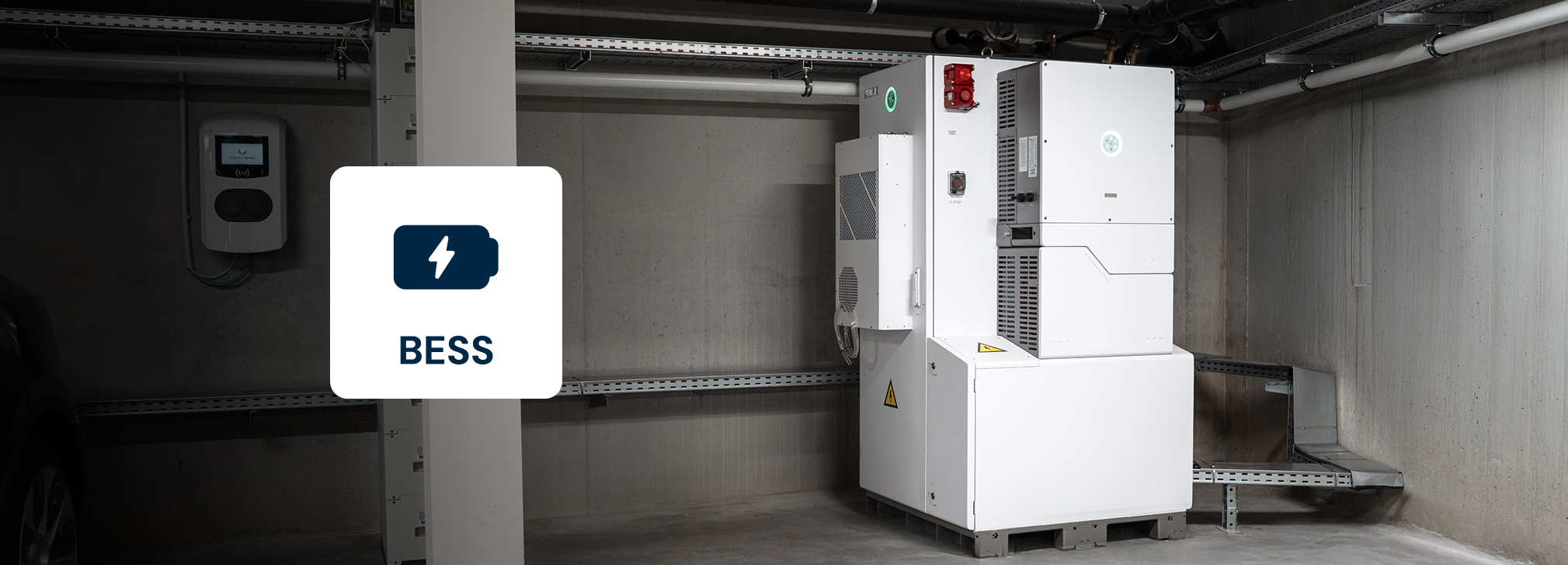
Battery Systems as an Alternative to Curtailment?
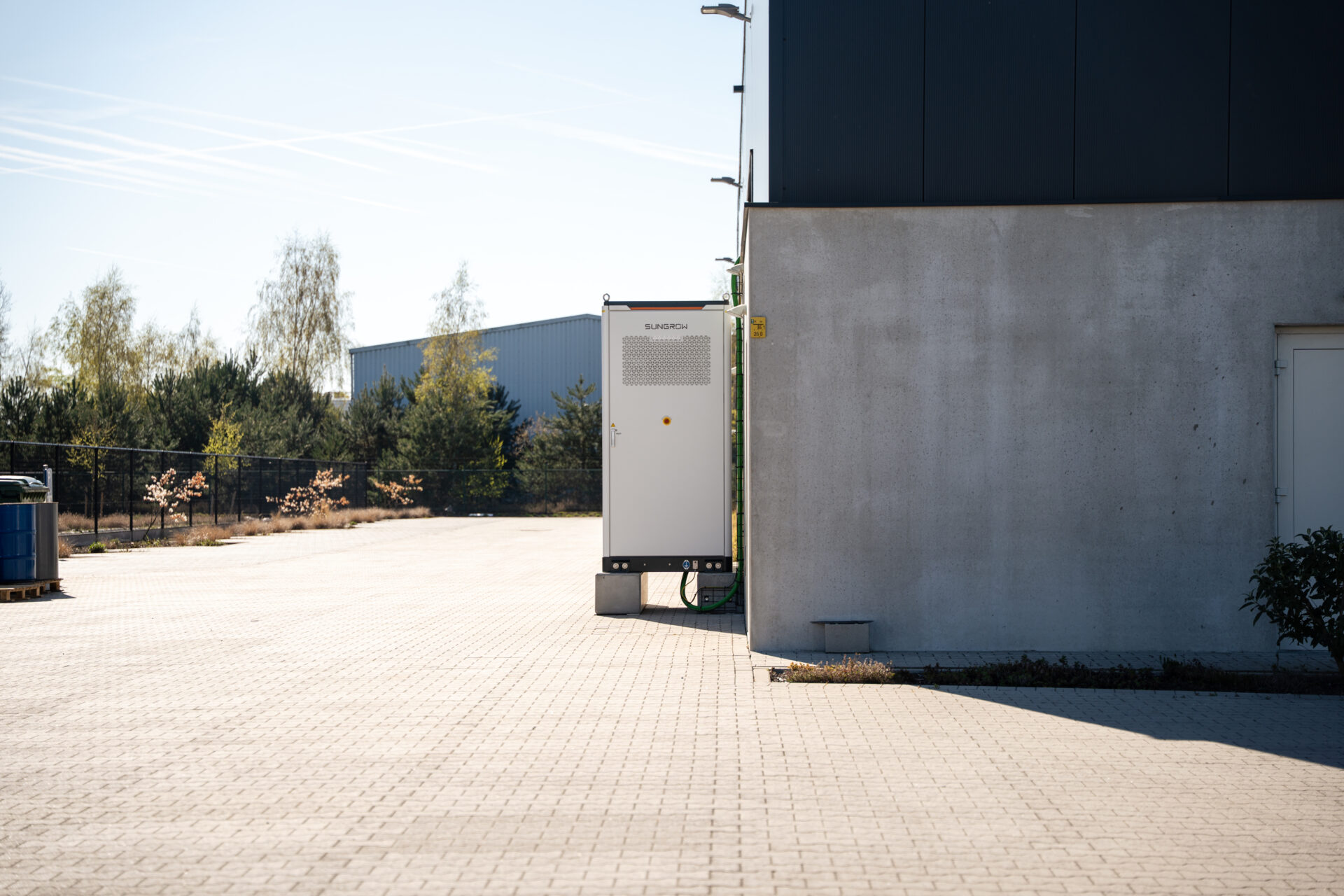
An alternative to curtailment is installing a battery system. Instead of temporarily limiting your solar production, you can store excess energy and use it yourself at a later time. This allows you to avoid feed-in charges and increase your self-consumption, which further reduces your energy bill.
Furthermore, battery systems—when combined with smart control (EMS) and a dynamic energy contract—can do much more than just store energy. Thanks to its connection to the day-ahead market, the system knows in advance when electricity prices will turn negative. The battery can prepare for this by reserving capacity in advance, so you don’t have to feed solar energy into the grid at times when it would result in a loss.
On the other hand, battery storage requires a larger investment. But thanks to smart control, market integration, and the combination with solar energy, the payback period is often very attractive. It also offers more flexibility and control over your energy.
In many situations, a combination of both techniques is ideal: you store part of your solar energy in a battery and implement curtailment when the battery reaches full capacity or when feeding energy into the grid becomes financially unfeasible. EnergyKing is happy to advise you on choosing the right strategy tailored to your consumption profile and energy goals.