 Skip to content
A step toward lower energy prices
Starting November 1, 2026, approximately fifty large industrial electricity consumers in Belgium will receive an energy discount on their transmission grid rates. These are companies that are directly connected to the high-voltage grid and have significant electricity consumption. As a result, grid rates will decrease by 130 to 160 million euros through the end of 2027.
With this measure, the government aims to strengthen the competitiveness of energy-intensive companies. After all, Belgian industry has long been under pressure due to high electricity prices compared to several neighboring countries. The discount on grid rates is an important step toward alleviating those costs. At the same time, a broader approach remains necessary to keep Belgian companies competitive in the long term.
How can we keep energy costs under control?
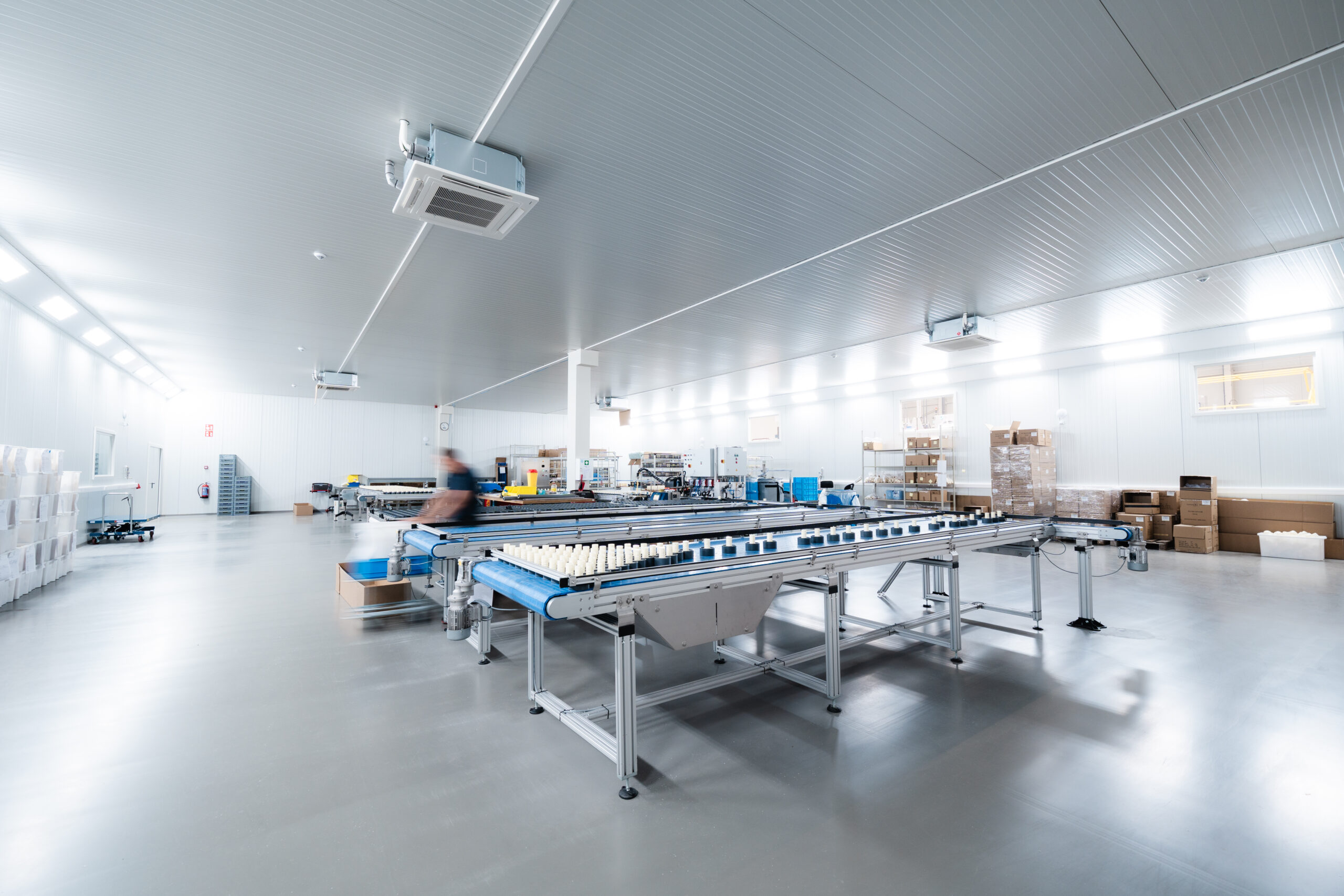
For industrial companies, electricity costs are a significant portion of their operating expenses. Companies with energy-intensive production processes, in particular, are vulnerable to price fluctuations and differences compared to foreign competitors.
In addition to policy-level measures, the way companies manage their energy use also plays a role. Understanding their own consumption, the times when energy demand is highest, and the options for generating their own electricity helps companies make informed decisions.
The ongoing electrification of business processes also makes a well-thought-out energy strategy increasingly important. Companies that want to invest in sustainable technologies benefit from an energy supply that is not only reliable but also affordable and predictable.
The Role of On-Site Energy Generation
Companies can explore various options for managing their energy consumption more efficiently. The most suitable solutions depend on the company’s operations, consumption profile, and available infrastructure.
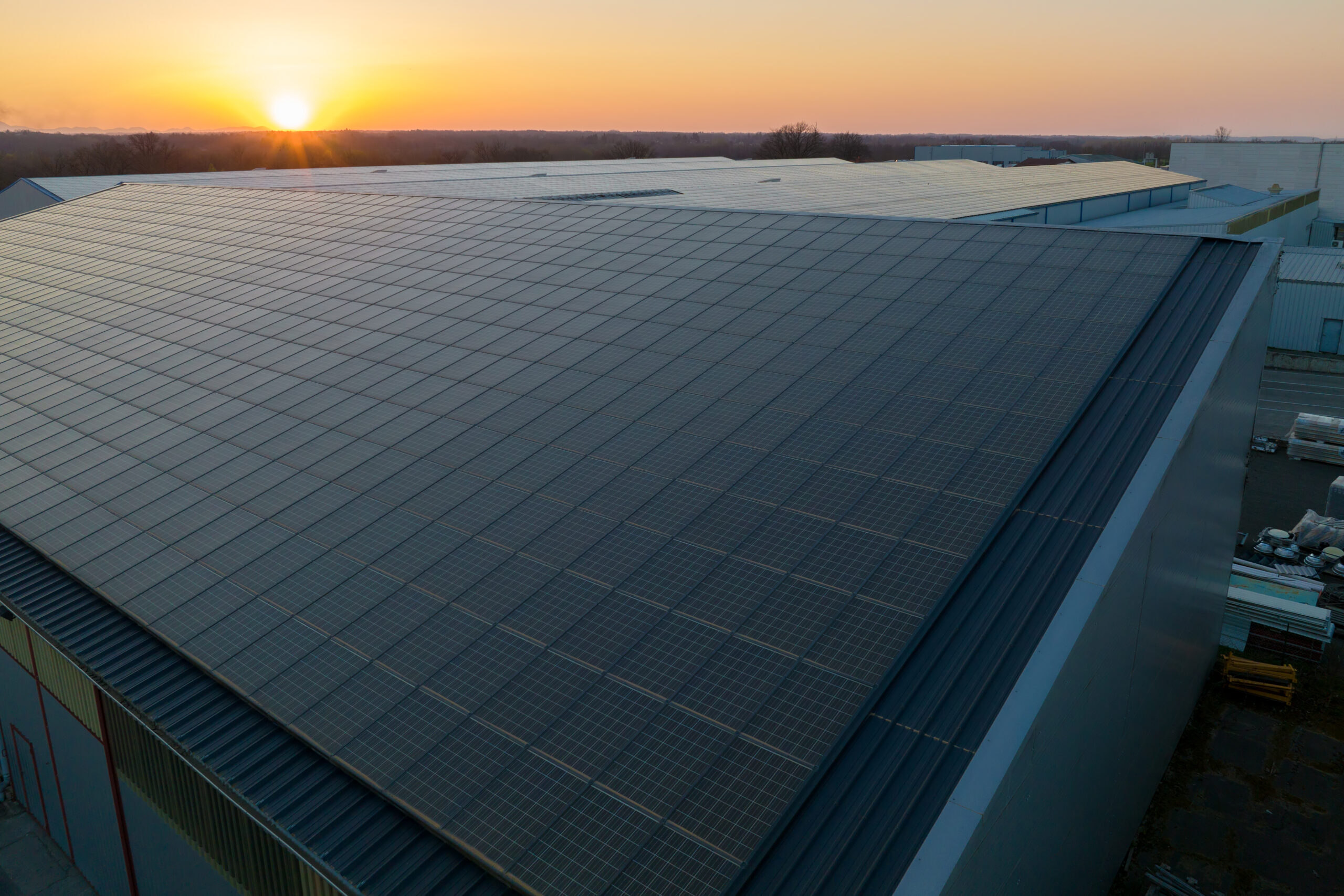
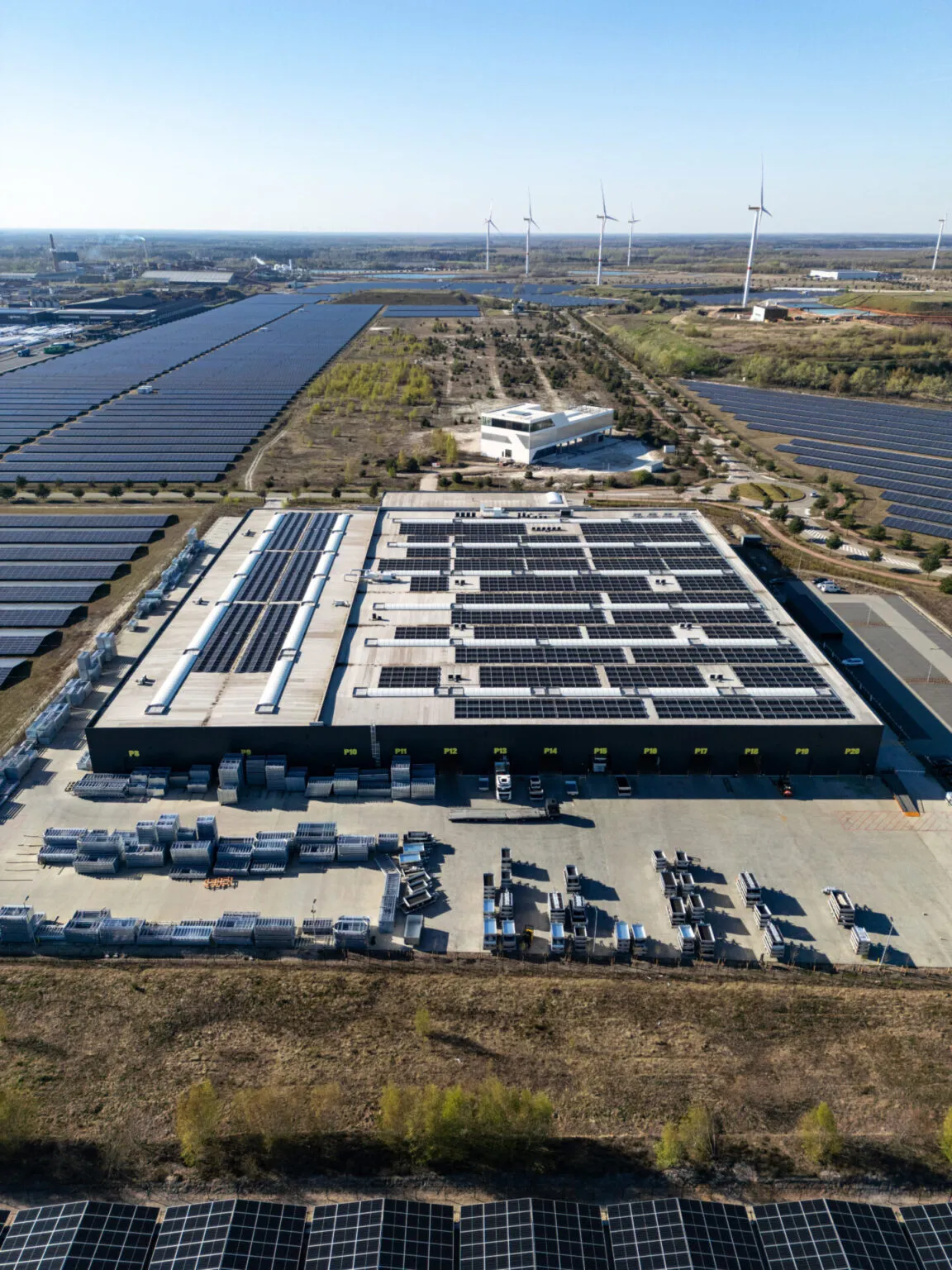
Solar panels can meet part of the electricity demand with energy generated on-site. Battery systems offer the ability to store energy and use it at a later time. With smart energy management systems, such as KingConnect, generation, storage, and consumption can also be better coordinated.
For some companies, managing power spikes or responding to fluctuating electricity prices may also be a factor. However, the potential benefits vary by situation and require an analysis of specific energy needs.
A structural approach remains necessary
The announced reduction in transmission grid rates provides some financial breathing room for part of the Belgian industrial sector. Nevertheless, the challenge remains greater than a single support measure. Competitive electricity prices are important for keeping investments in Belgium attractive and enabling industrial activities to become more sustainable.
The real challenge is to ensure that competitive edge in the long term as well. This requires an energy policy that offers companies prospects for the future and supports investments in electrification and energy efficiency. At the same time, companies can explore ways to better manage their energy consumption and reduce their dependence on purchased electricity.
As a result, a well-thought-out energy strategy is becoming increasingly important. By assessing their own energy consumption and exploring options such as solar panels, battery storage, and smart energy management, companies can make more informed decisions about where investments will have the greatest impact. At EnergyKing, we work with companies to determine how smart energy solutions can contribute to more efficient energy management, tailored to their specific needs.


