 Skip to content
The Flemish energy sector is facing a major change. Fluvius has been tasked with preparing plans for the gradual phase-out of the natural gas network. This involves identifying where and when parts of the gas network can be shut down over time. The task aligns with the goal of making Flanders climate-neutral by 2050.
Should you switch now? What alternatives are available? And what does this mean for your home if your heating system is due for replacement soon? We’ll take a look at what’s currently known and which sustainable alternatives could play a role in the transition away from natural gas.
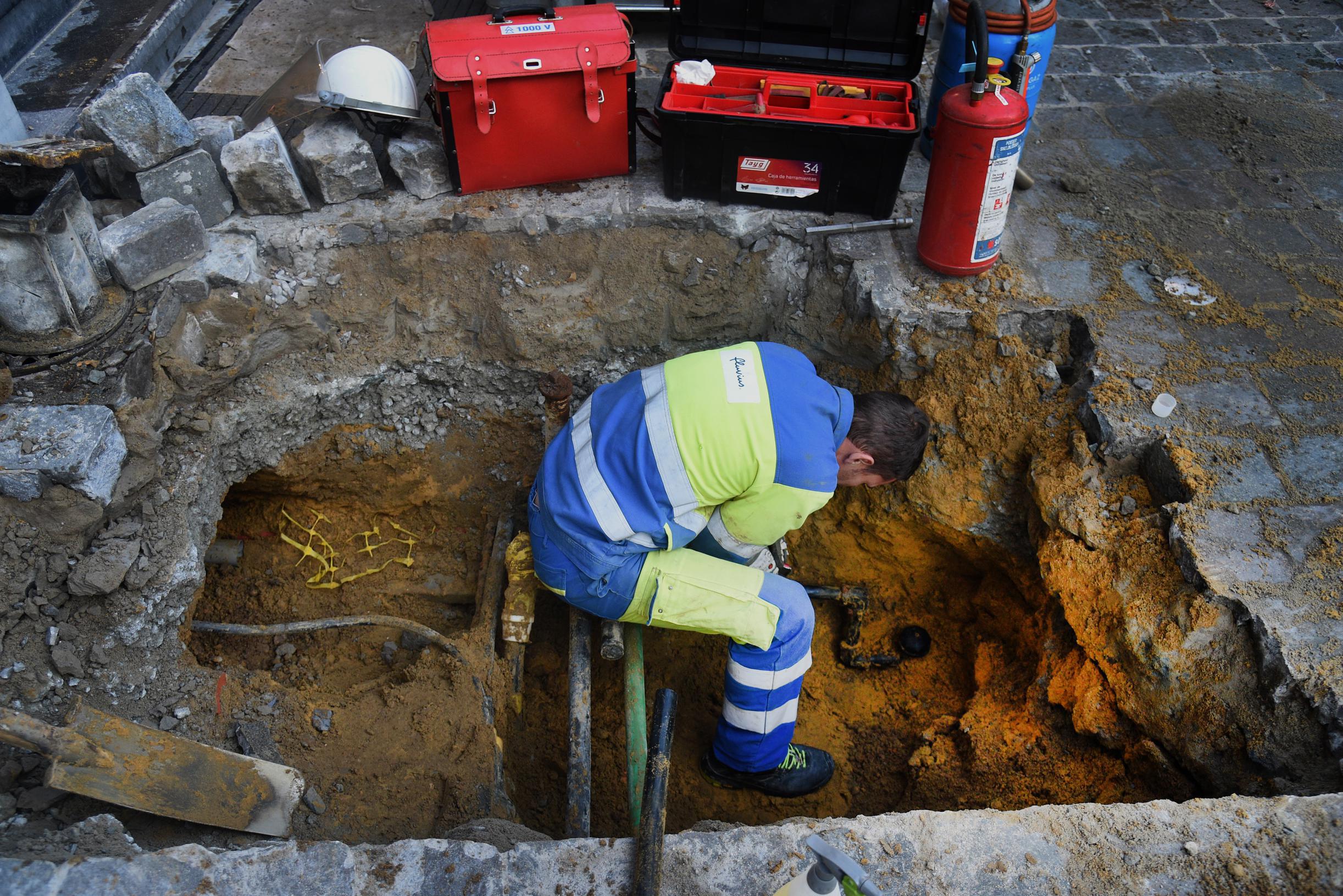
What does the phase-out of natural gas mean for your home?
The phase-out of the natural gas network will not happen overnight. No general deadline has been set at this time for when all existing gas connections will be discontinued. Fluvius must first determine which parts of the network can be phased out over time and when that might be possible. Therefore, existing gas connections will remain connected to the distribution network for now.
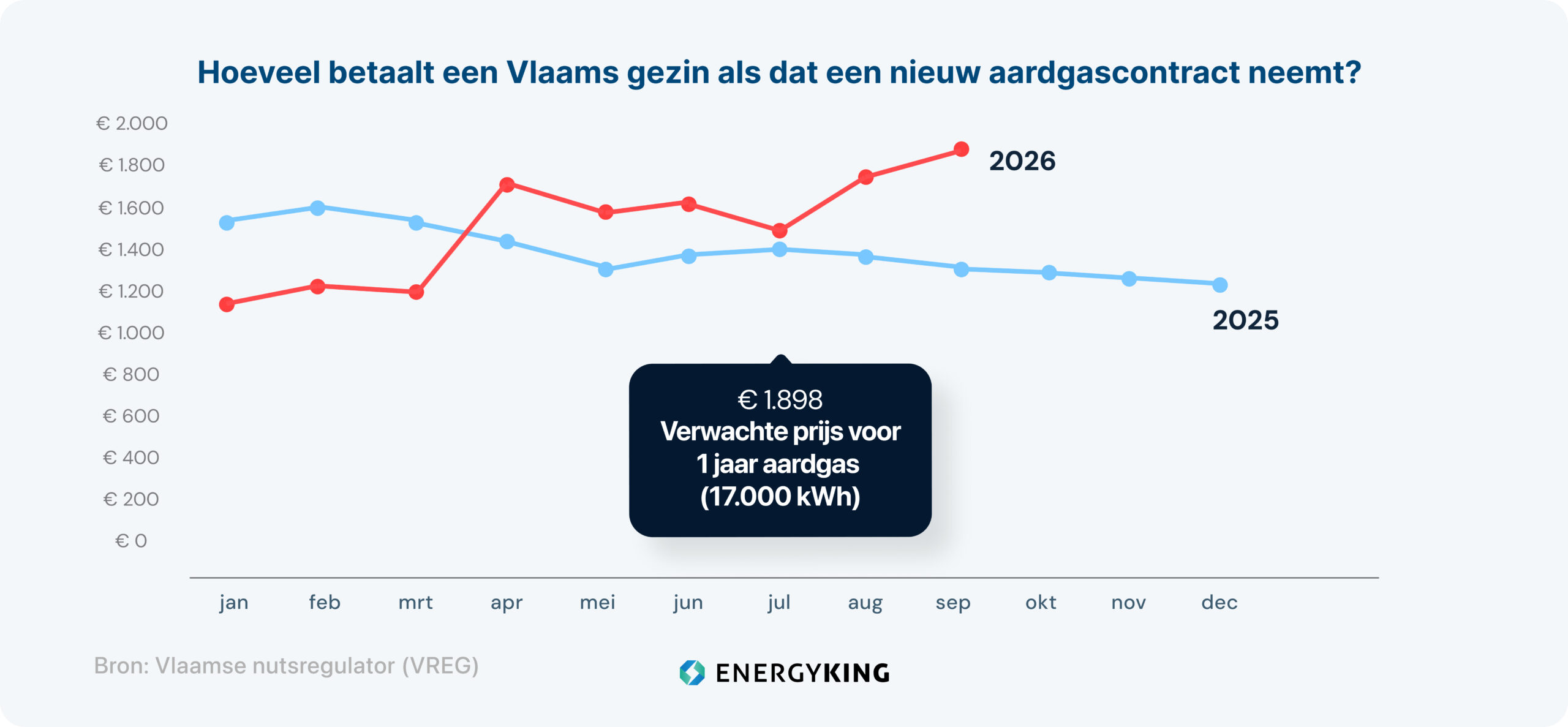
Nevertheless, rising gas prices are making the demand for affordable and sustainable heating alternatives increasingly relevant. According to recent data from the Flemish Utility Regulator (VREG), the annual natural gas bill for an average household will rise by €290 to €1,780. The exact cost depends on consumption, the contract, and changes in energy prices.
Still, the direction is clear: Flanders wants to gradually reduce the use of fossil fuels. That makes it worthwhile to consider not only the current heating system but also sustainable alternatives when planning construction or renovation projects. One of the most important solutions in this regard is the heat pump.
Heat Pumps: A Sustainable Alternative to Natural Gas
A heat pump extracts heat from the environment—such as the outside air—and uses electricity to bring that heat up to a usable temperature. This allows a home to be heated without burning natural gas.
There are various types of heat pumps. The most suitable solution depends, among other things, on the home, its insulation, and the existing heating system. In new construction, low-temperature heating and renewable energy are increasingly being factored into the design from the outset.
Since 2025, natural gas connections have no longer been permitted for new construction in Flanders for building permit applications submitted on or after January 1, 2025. A heat pump can also be an attractive option for renovations. Proper preparation is key: not every home has the same heating needs, and not every heating system works the same way.
Solar Panels and a Heat Pump: Energy from Your Own Roof
The transition to sustainable heating goes hand in hand with the way we generate and use electricity. With solar panels, you generate your own electricity, which can be used, among other things, to power a heat pump. This allows you to produce some of the energy you need for your home yourself.
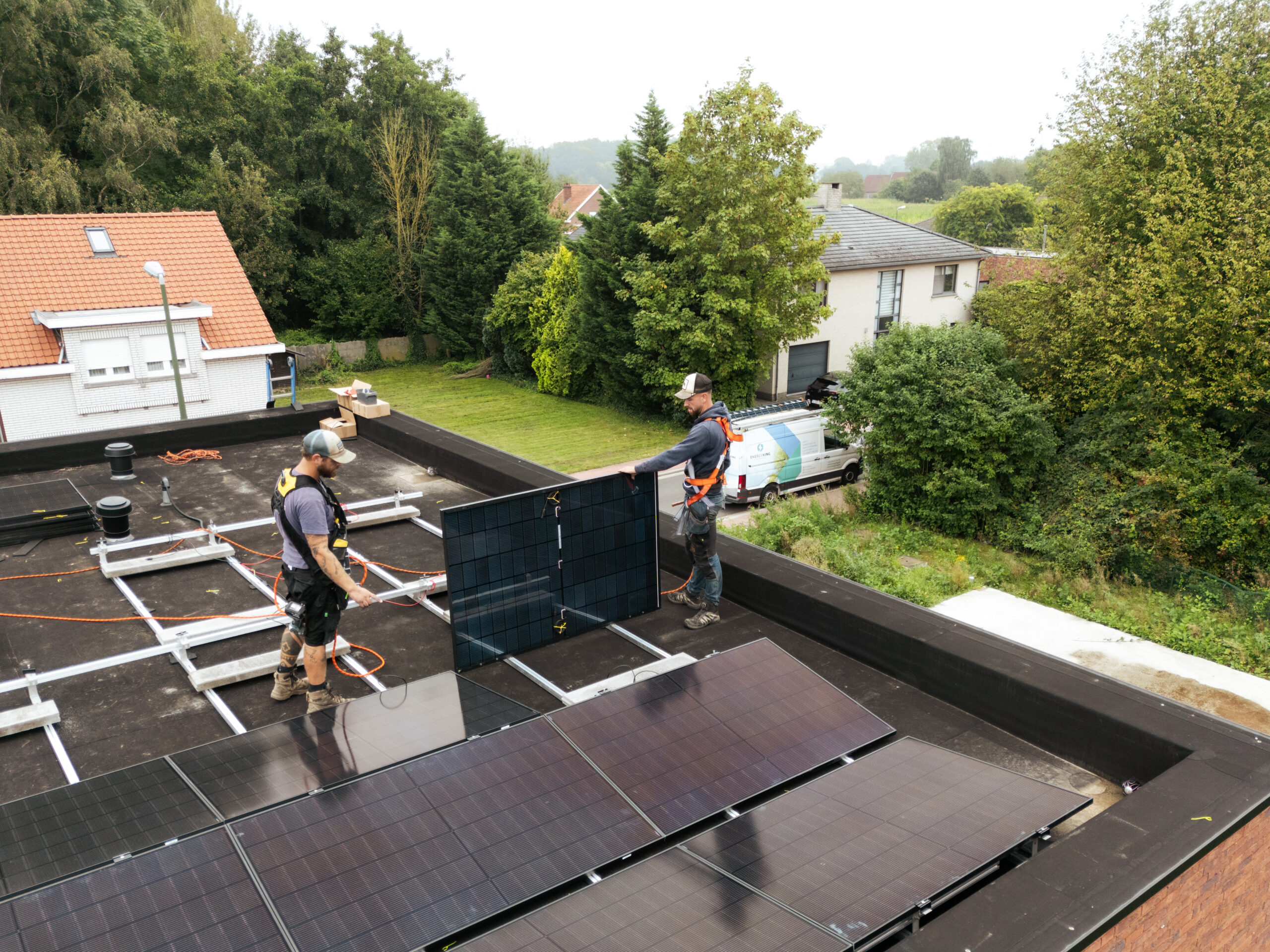
Combining solar panels with a heat pump can be a good option, but energy production and consumption don’t always align. Solar panels generate power mainly during the day and generally produce more in the spring and summer, while the demand for heating increases during the colder months.
That’s why it’s not just about how much electricity you generate yourself, but also about when you use that energy. By aligning your consumption with your own production as much as possible, you can use a larger portion of the electricity you generate directly.
A home battery and smart energy management as a supplement
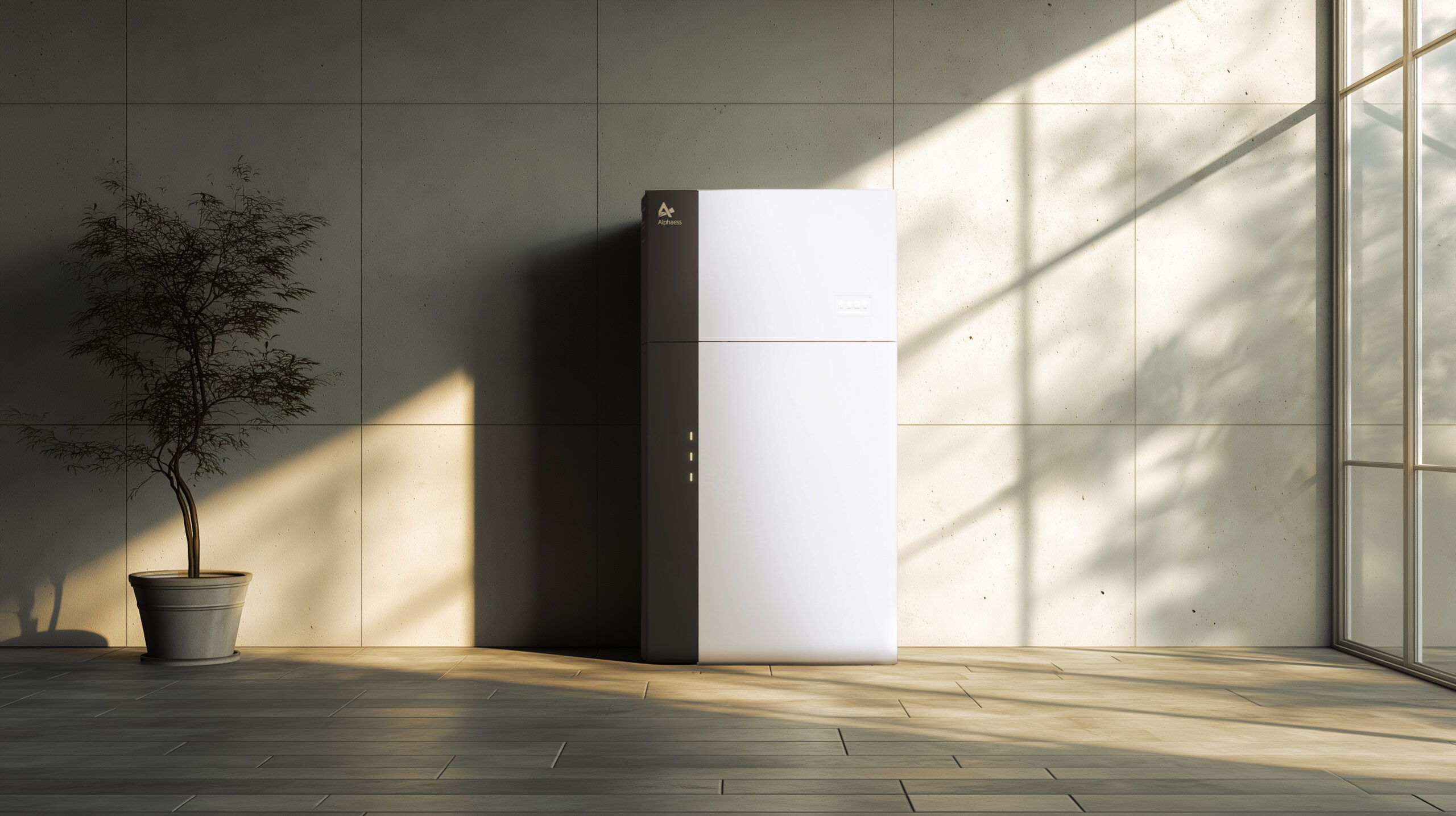
In addition to solar panels and a heat pump, a home battery and smart energy management can also be part of a sustainable energy system. A home battery can help you use some of the solar energy you generate at a later time. Smart energy management also allows you to better coordinate the use of various energy-consuming devices. At EnergyKing, KingConnectcan play a role in this. The available options depend on the technologies already installed in the home.
Is it time to say goodbye to your gas boiler already?
No. Preparing for the phase-out does not mean that existing gas boilers must be replaced immediately. However, it’s wise to start thinking about your next heating system in a timely manner, especially if your gas boiler needs to be replaced or you’re planning a renovation. Which sustainable solution is right for you depends on factors such as your home’s insulation, heat output, and energy needs.
The future of energy starts with making the right choices
The transition away from natural gas won’t happen overnight. Still, it’s worth looking ahead, especially if your home is due for renovation or your heating system needs to be replaced. By thinking about your energy consumption today, you’re paving the way for choices that will still be relevant tomorrow.
At EnergyKing, we'd be happy to work with you to explore the options for preparing your home for the future.


