 Skip to content
During the colder months, your home’s energy usage patterns change: you use more heat, lights stay on longer, and solar panels receive fewer hours of daylight. Fall is therefore a good time to take a moment to consider your energy consumption and heating system and prepare your home for the colder months.
From Summer Production to Fall Consumption
During the summer, solar panels can generate a lot of electricity during the day. As the days get shorter, that generation gradually decreases. At the same time, your energy consumption also shifts. You need lighting more often, electrical appliances are used more, and once the first cold days arrive, heating comes back into play. This makes it worthwhile to take a closer look at when you generate and consume energy.
Do you have a digital meter? If so, you can track your energy usage and get a better idea of when your home is using electricity. This gives you more insight into your own usage patterns and allows you to run certain appliances as much as possible at times when your solar panels are generating electricity. The sun itself can also help during the shoulder seasons. On sunny days, let in as much natural light as possible during the day and take advantage of the sun’s heat where necessary.

Fall as a transitional season
September and October are typical transitional months. It can still be pleasantly warm during the day, while you might need a little extra warmth in the morning or evening. As temperatures continue to drop, the need for heating also increases.
Still, a chilly morning doesn’t automatically mean you have to heat your home all day long. First, figure out where and when you need heat. For example, a room you’re currently using doesn’t need to be the same temperature as a room that’s empty all day.
Get your heating system ready
With the first cold days approaching, now is a good time to check your heating system. A well-maintained and properly adjusted system operates more efficiently and helps prevent unexpected problems during the winter.
Do you have a traditional boiler? Have it serviced on time and check that the radiators are working properly. It can also help to bleed the radiators if they aren't heating evenly throughout.
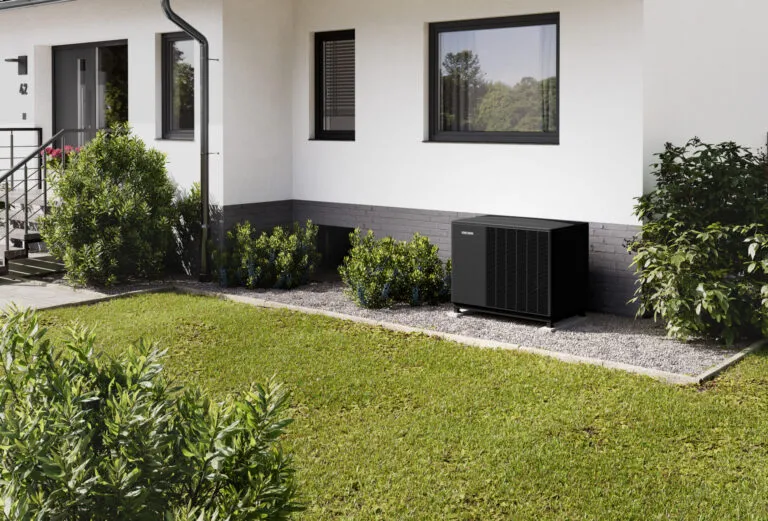
Do you have a heat pump? If so, be sure to check the outdoor unit as well. Leaves, dirt, or other obstacles can block the airflow. Keeping the outdoor unit clear helps the system continue to operate at its best.
A heat pump works differently than a traditional boiler
A heat pump extracts heat from the environment—such as the outside air or the ground—and uses it to heat your home. Instead of producing heat by burning fuel, the system uses electricity to transfer heat.
If you have a heat pump, it’s important to use it properly. For example, an air-to-water heat pump operates most efficiently when it can heat at a low temperature and as consistently as possible. Large temperature fluctuations are therefore not always desirable. A slight drop in temperature at night is acceptable, but it’s generally not recommended to turn the heating off completely and then turn it back on to heat up the space rapidly each time.
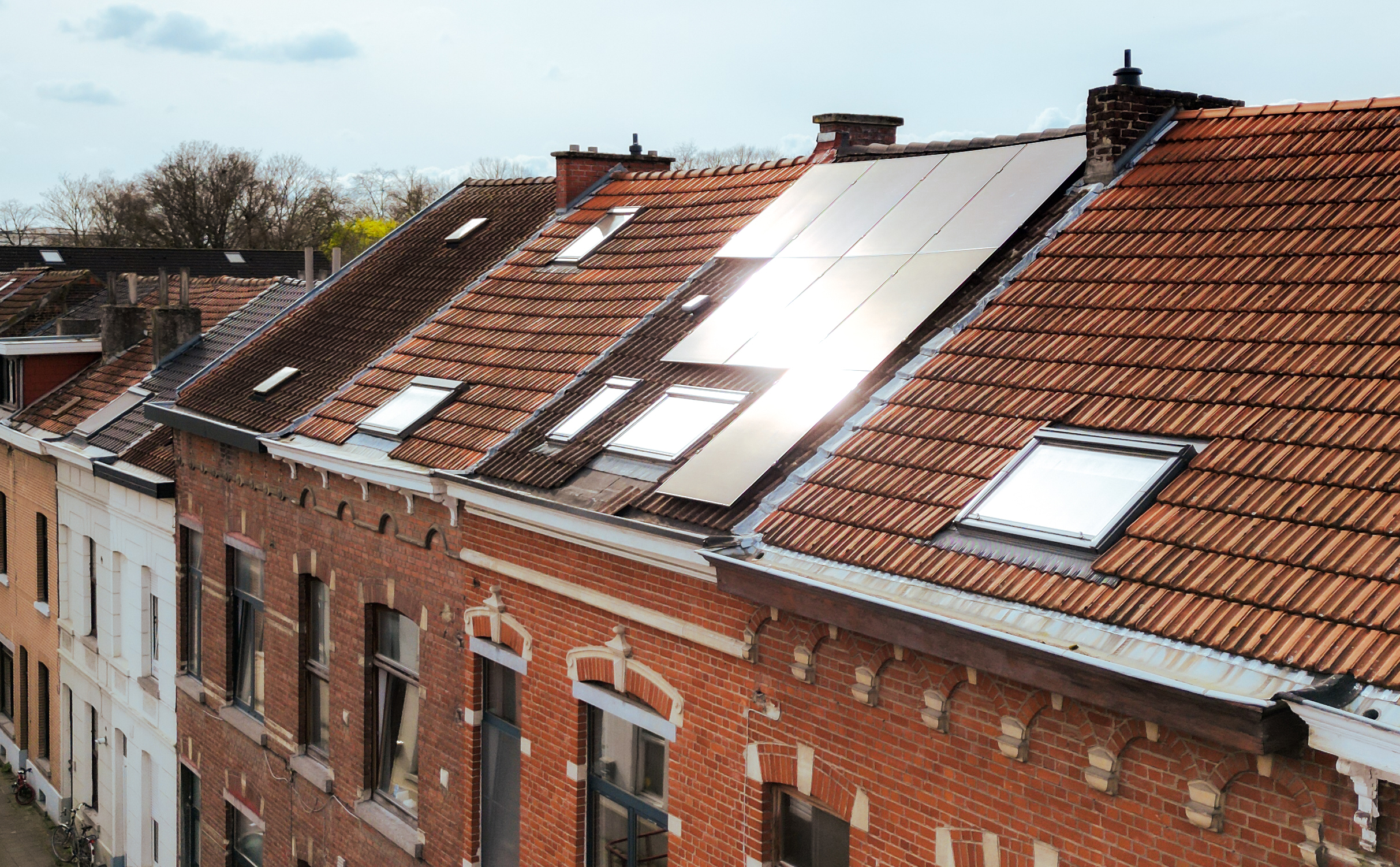
Your solar panels can also play a role here. With a digital meter and smart controls, you can better align your home’s electricity consumption with the times when your solar panels are generating power. This can be especially helpful if you have a heat pump that also heats domestic hot water, allowing you to use more of the electricity you generate yourself.
Heat pumps also come in various types. EnergyKing offers air-to-air, air-to-water, and ground-to-water heat pumps, among others. The best solution for you depends on factors such as your home, its insulation, your existing heating system, and how you want to heat your spaces.
An air conditioner can also provide heat during the off-season
Do you have an air conditioner that can also heat? If so, it might come in handy again this fall. That’s because a built-in air conditioner is actually an air-to-air heat pump. So the system can not only cool but also heat. This can be especially useful during the transitional seasons. On a day when it’s chilly in the morning but stays mild throughout the day, you can heat specific areas without having to heat your entire home for an extended period.
Don't forget about ventilation
When it gets colder outside, we tend to keep windows and doors closed more often. Still, adequate ventilation remains important for a healthy indoor environment. Otherwise, moisture, odors, and pollutants can build up inside the home.
Furthermore, ventilation is different from simply opening a window. Opening a window briefly provides a short burst of fresh air, whereas a ventilation system continuously supplies fresh air and removes stale air. In a Type D system, this is done using heat recovery, which allows some of the heat to be retained.
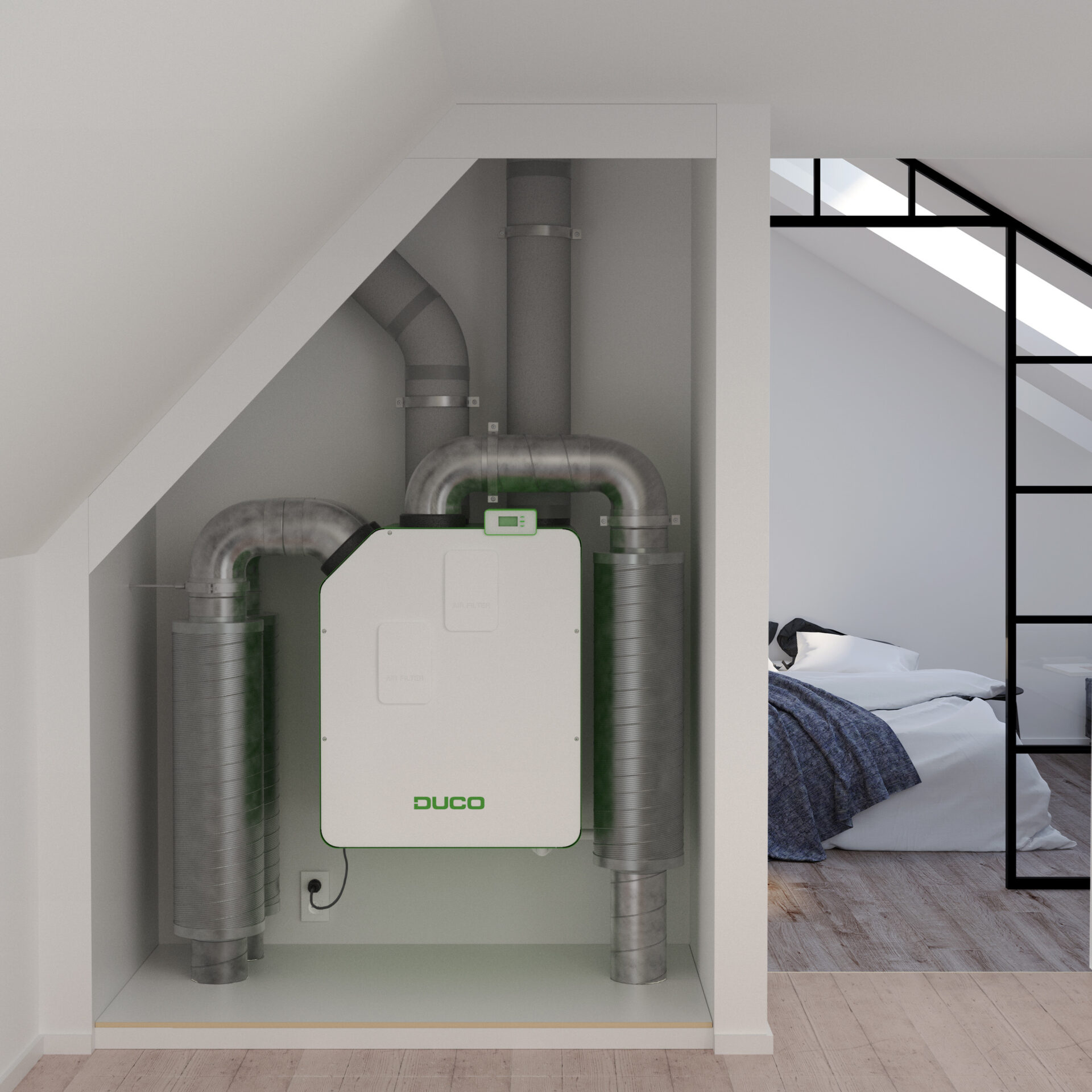
Do you have a ventilation system? If so, check that the filters and vents are clean before winter sets in. For Systems C and D, you can regularly check and clean the valves and vents. Periodic maintenance helps ensure that your ventilation system operates properly and allows you to get the most out of your investment. Timely maintenance helps the system run efficiently and prevents problems, especially as the weather gets colder.
Keeping the heat in without compromising air quality
Saving energy doesn't mean you have to seal off your home as much as possible. It's mainly about striking the right balance between heat retention, comfort, and ventilation. So, for example, check to make sure windows and doors aren't letting in unnecessary drafts. At the same time, it's important not to block ventilation openings.
Even small changes can help. Focus on heating the rooms you’re using and prevent unnecessary heat loss. An air conditioner can be a useful tool for this: it allows you to heat only the rooms you’re currently using. When renovating, insulation remains, of course, one of the most important ways to structurally reduce your home’s heating needs.

Ready for Fall and Winter
The transition to fall is a good time to take a moment to consider your energy consumption and home comfort. Now that solar energy production is declining and the demand for heating is increasing, it becomes even more important to use your energy as efficiently as possible. By checking your home, heating, and ventilation systems in a timely manner, you’ll be well-prepared for the colder months. And who knows—this might also be the right time to assess whether your current heating system still suits your home and your future energy needs.


