 Skip to content
We’re paying more and more attention to energy-efficient homes. We’re also focusing on better insulation and investing more in sustainable heating solutions. But there’s another important aspect we mustn’t lose sight of: indoor air quality.
We spend a large part of our time indoors. Even though we often don’t realize it, our daily activities constantly affect the air we breathe. In addition, moisture and pollutants are released while cooking, showering, cleaning, and even sleeping. Without adequate ventilation, these can build up in your home.
In connection with Healthy Indoor Air Week (November 23–29), we would like to highlight the importance of healthy indoor air and proper ventilation.
Why is ventilation so important?
The air in your home isn't always as clean as you think. During everyday activities, various substances and moisture are released into the air. If the ventilation system doesn't adequately remove contaminated air, this can affect your indoor climate and health. Poor air quality can contribute to, among other things:
- Headaches and fatigue: you feel less energetic.
- Respiratory irritation: Pollutants affect your respiratory system.
- Moisture and Mold: Excess moisture causes condensation and mold growth
- Unpleasant odor: Polluted air causes a musty smell in the house
Children, the elderly, and people with sensitive respiratory systems, in particular, deserve extra attention. Healthy indoor air is therefore not a luxury, but an important part of comfortable living.

Ventilation or airing out: What's the difference?
The terms “ventilation ” and “airing” are often used interchangeably. However, they do not mean exactly the same thing.
Ventilation means that fresh air is constantly brought in and stale air is removed. This is done, for example, through ventilation grilles or a mechanical ventilation system. This helps maintain good air quality in your home.
To ventilate, temporarily open windows and exterior doors wide. This is especially helpful when extra moisture or pollutants are released, such as while cooking or after taking a shower.
Both are important, but opening a window every now and then is no substitute for continuous ventilation. Even if your home is well-insulated, adequate air exchange is still necessary.
Daily habits make all the difference
Healthy indoor air starts with small habits. You don’t have to make major changes right away to be more mindful of the air quality in your home. Here are a few common situations where paying extra attention to ventilation is important:
- While cooking: use the range hood to vent cooking fumes and fine particles.
- After showering: Prevent moisture buildup by ventilating the room well.
- When cleaning: limit the use of cleaning products and ensure there is fresh air.
- While sleeping: Make sure there is plenty of fresh air in the bedroom.
- When visitors are present: more people generate additional moisture and CO2.
These are simple actions that, when combined, make a difference. Moreover, they help minimize pollution at the source as much as possible.
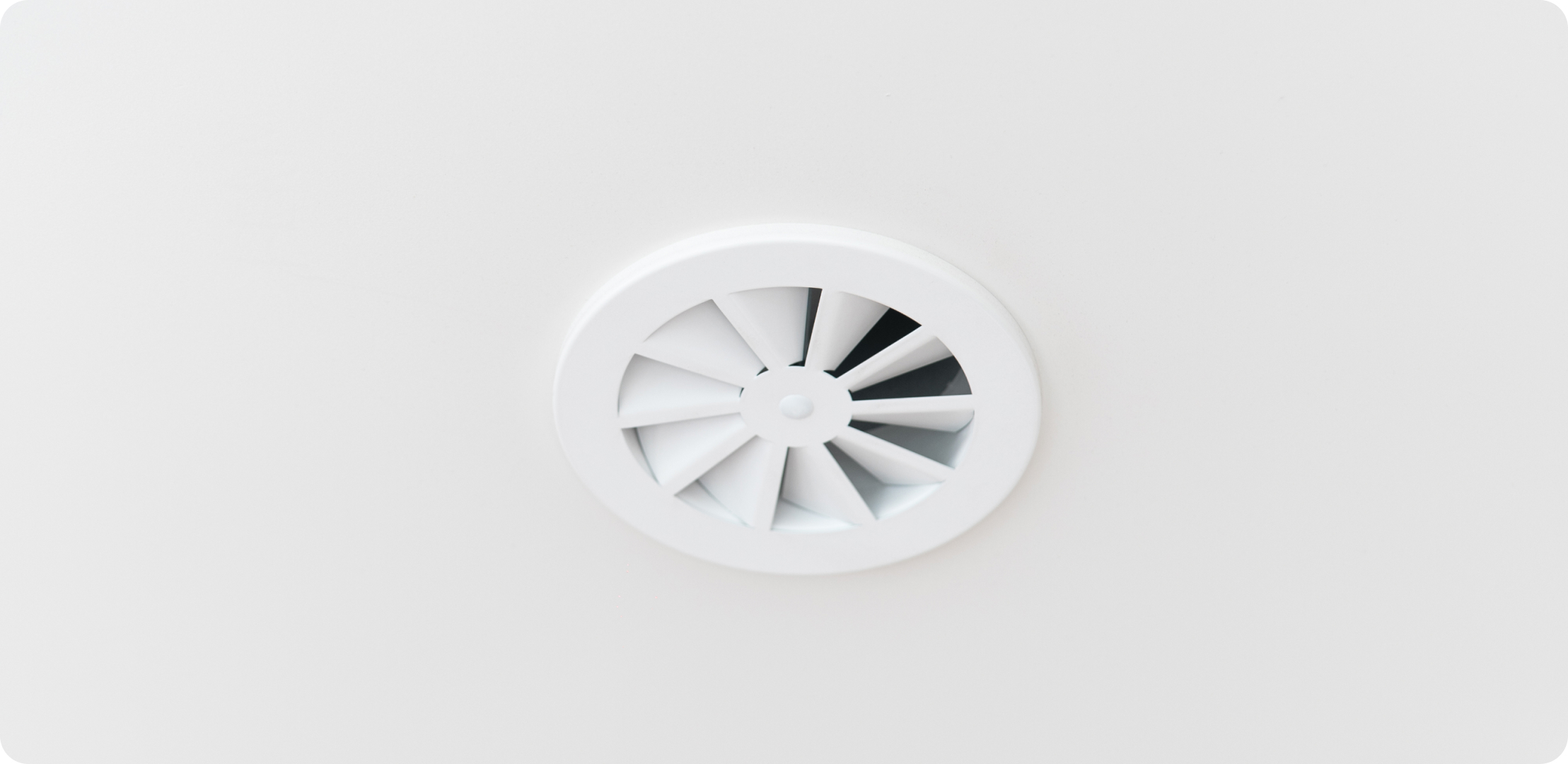
What role does a ventilation system play?
Proper ventilation is important, but how do you ensure that your home consistently gets enough fresh air? A ventilation system helps regulate air exchange in a controlled manner. There are various types of ventilation systems.
Ventilation System C
In a Type C ventilation system, fresh air enters naturally through ventilation grilles in windows or walls. A mechanical system removes contaminated and humid air, for example, from the bathroom, kitchen, and toilet.
This system has lower upfront costs and relatively low energy consumption. A drawback is that the incoming air is not filtered and that a draft may sometimes be felt. Heat is also lost through the exhaust air.
Ventilation System D
In a Type D ventilation system, both the supply of fresh air and the removal of contaminated air are performed mechanically. The fresh outdoor air is filtered, and heat is recovered from the exhaust air via a heat exchanger. This ensures that most of the heat is retained and minimizes heat loss due to ventilation.
System D requires a larger investment and consumes more electricity than System C. On the other hand, heat recovery can help reduce heating costs. In addition, you’ll enjoy filtered air and controlled ventilation without drafts through window vents.

Ventilation as the Foundation for a Healthy Home
A healthy home isn’t just about good insulation and energy-efficient heating. Indoor air quality also plays an important role. With a properly calibrated ventilation system, you can ensure an adequate supply of fresh air and prevent moisture and pollutants from building up. This helps you create a pleasant and healthy indoor environment, day after day.
Want to work on improving indoor air quality?
At EnergyKing, we're happy to help you find the ventilation solution that best suits your home and needs. Discover our ventilation solutions and request a free quote.


