 Skip to content
In a historic milestone for the European energy market, wind and solar power have overtaken fossil fuels. For the first time, these renewable sources produced more electricity than gas and coal-fired power plants in the European Union. This shift marks an important step toward a more sustainable energy landscape.
Green energy on the rise
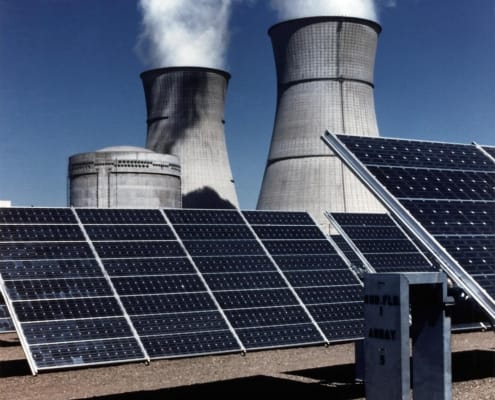
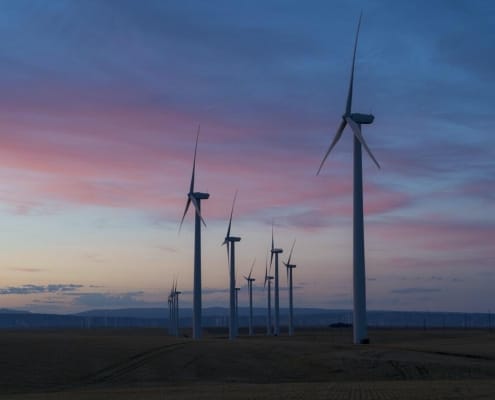
Recent figures from climate think tank Ember show that solar energy production increased 20% in the first half of this year. This compared to the same period last year. Wind power also showed impressive growth. Wind energy grew by 9.5%. Together, these sources now account for 30% of the EU's energy mix. Fossil fuels still represent only 27%. This represents a significant 17% drop in electricity production from gas and coal.
Reduced CO2 emissions
In addition to the increase in renewable energy, nuclear power and hydroelectric plants are also contributing to low-carbon power generation. Together, these sources now supply 70% of the EU's electricity. This has reduced CO2 emissions from the power sector by almost a third, making a significant contribution to the EU's climate goals.
Germany as a forerunner
Much of this shift is due to the reduction of coal-fired power plants in Germany, where production has fallen by 19 terawatt hours, a drop of more than 25%. At the same time, Germany has expanded its wind farms, accounting for half of Europe's growth in wind power.
Belgium follows the green path
Belgium has also overtaken fossil fuels for the first time with renewable energy. In Belgium, 32% of electricity generation now comes from wind and solar, while fossil fuels make up only 23%. This places Belgium in a group of 13 member states where renewable energy dominates. The rapid increase in solar panels on household roofs plays a crucial role in this, with an annual 5% increase in solar energy production.
Challenges of overproduction
However, the increase in solar power generation also brings challenges. With the abundance of solar power, electricity prices regularly fall below zero, meaning producers sometimes have to pay for the power they put on the grid. This has led high-voltage grid operator Elia to warn of potential production surpluses. Without sufficient exports to neighboring countries, there is a risk that solar farms and small power plants will have to be shut down.
Conclusion
The shift to renewable energy sources in Europe marks significant progress in the fight against climate change. With significant contributions from both solar and wind energy, and a reduction in the use of fossil fuels, the EU is taking an important step toward a sustainable future. Belgium and other member states are showing that a green energy future is not only feasible, but necessary. The associated challenges, such as overproduction, require attention and innovative solutions to ensure a smooth transition.


