 Skip to content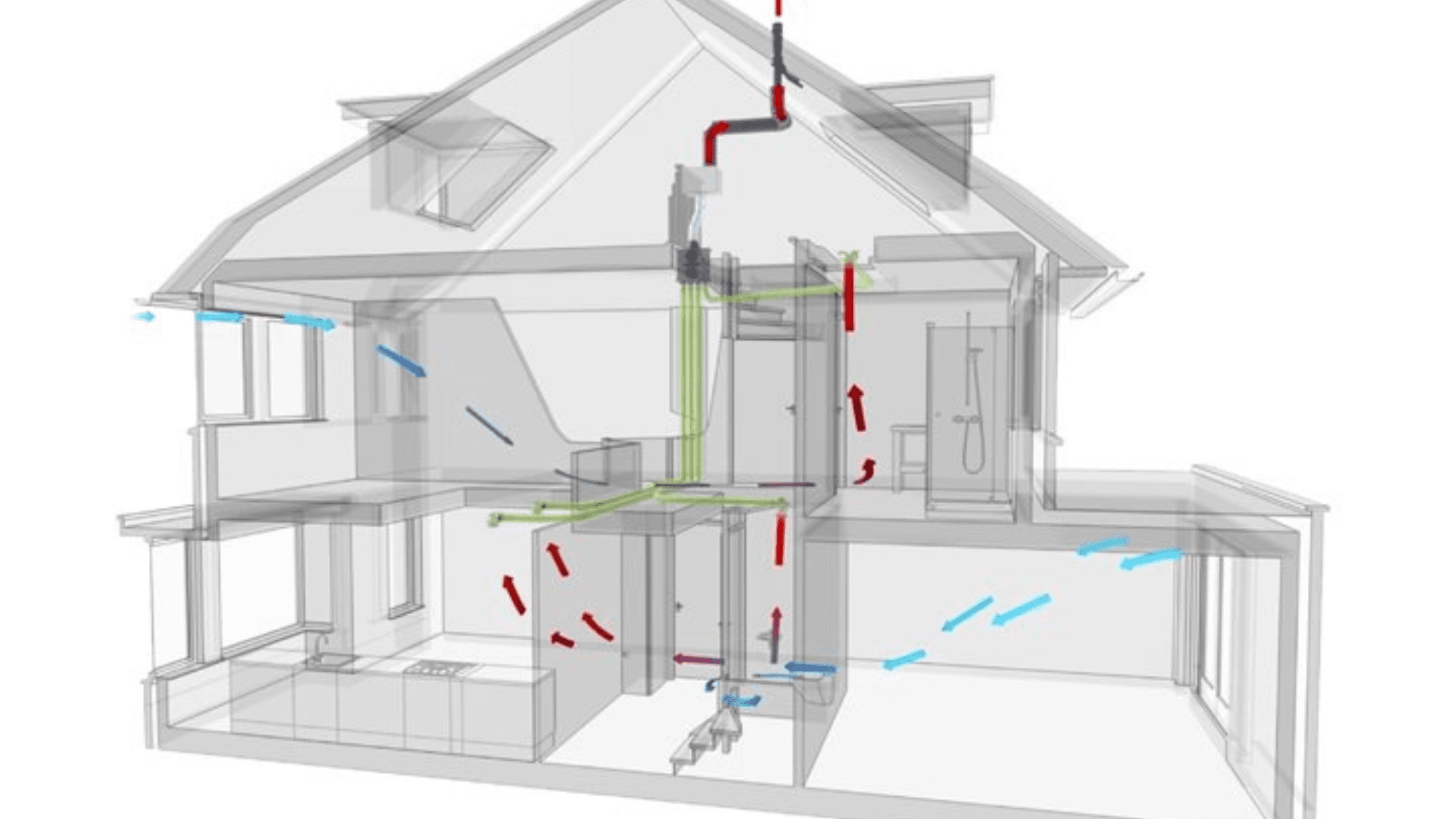
Allergies can be a serious impediment to your quality of life. Sneezing, itchy eyes, runny noses, and shortness of breath are symptoms that many of us are all too familiar with. What many people don't realize, however, is that the quality of the air in your home can have a significant impact on the severity of allergic reactions. Proper ventilation can make all the difference and help keep allergies under control.
How Contaminants Aggravate Allergies
Allergies are caused by an overreaction of the immune system to airborne substances such as pollen, dust mites, mold spores, and animal hair. When these allergens are suspended in the air and inhaled, the body may react with allergic symptoms. The concentration of allergens in the air can vary greatly depending on the air quality in your home.
Why Ventilation is Important
Ventilation is the process of refreshing indoor air by letting in fresh outdoor air and releasing polluted indoor air to the outside. This is crucial for maintaining a healthy indoor environment, especially for people with allergies.
Here are some ways good ventilation can help:
- Diluting Allergens: Ventilation dilutes the concentration of allergens in the air, reducing the likelihood of allergic reactions.
- Removing Moisture: Morning promotes the growth of mold spores and dust mites, two common allergens. Proper ventilation can remove moisture from your home, inhibiting the growth of these allergens.
- Removal of Pollutants: Ventilation helps remove contaminants such as particulate matter, cigarette smoke and other irritants that can aggravate allergic symptoms.
Types of Ventilation Systems
There are several types of ventilation systems you can consider to improve the air quality in your home. Choosing the right system depends on your home, your budget and your specific needs.
- Natural Ventilation: This includes opening windows and doors to let fresh air in. While this is the simplest and most cost-effective method, it is not always practical, especially in urban areas with air pollution.
- Mechanical Ventilation: This includes the use of fans and air systems to circulate air in and out of your home. There are several types of mechanical ventilation, including balanced ventilation (with heat recovery) and unbalanced ventilation.
- Air Purifiers with Ventilation Function: Some air purifiers have a built-in ventilation function. These devices purify the air while introducing fresh air, making them ideal for people with allergies.
Tips for Effective Ventilation
To help control allergies through ventilation, here are some helpful tips:
- Ventilate regularly: Make sure you regularly ventilate your home, especially during spring and summer when pollen concentrations are high.
- Change or clean filters: If you have a mechanical ventilation system, change filters regularly to maintain efficiency. For air cleaners with ventilation functions, follow the manufacturer's recommendations for filter maintenance.
- Control humidity: Keep the humidity in your home at a comfortable level, preferably between 30% and 50%, to prevent mold growth.
- Smoke-free environment: Avoid smoking indoors, as smoke can cause a severe allergic reaction.
- Consider air purifiers: Invest in a quality air purifier with a ventilation function to remove allergens and irritants from the air.
Conclusion
Allergies can significantly affect your daily life, but with proper ventilation practices, you can improve the air quality in your home and reduce allergic reactions. Whether you use natural ventilation, mechanical ventilation or air purifiers with ventilation features, a healthy indoor environment is essential to the well-being of allergy sufferers. Ensure proper ventilation and breathe easier in your home.


