Skip to content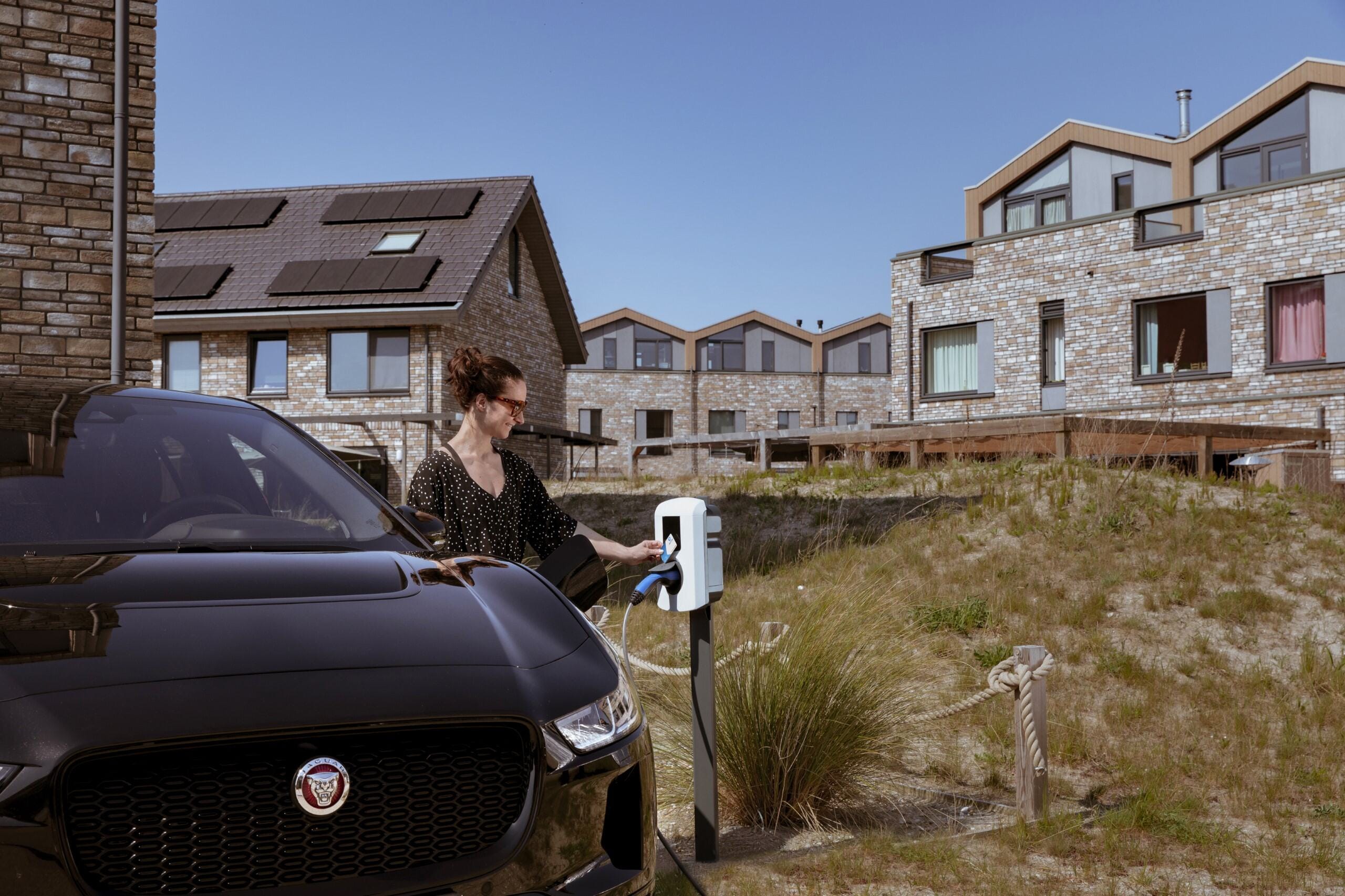
Electric charging is now an indispensable part of modern mobility. With the increase of electric vehicles on the road, the need for clear and transparent information about charging rates is growing. Moreover, it is required by law to communicate charging rates at public charging stations. This enables EV drivers to make informed decisions about where and when to charge their vehicles.
In this blog post, we discuss the role of different players in the charging network, the structure of charging rates, and the different payment options for public charging sessions. We begin with how a charging session comes about and which parties are involved.
The collaboration behind a charging session
Step 1: Start the charging session
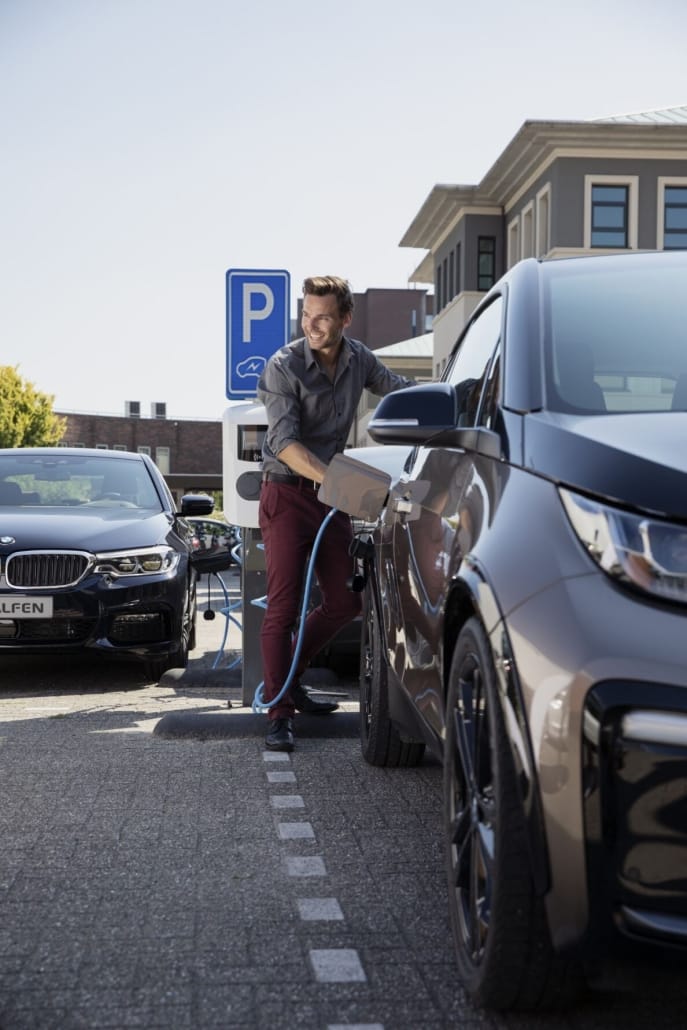
When an EV driver arrives at a public charging station, he scans his charging card to start the charging process. This seems simple, but a lot happens behind the scenes to make this possible.
Step 2: Roles of involved parties
Here is an overview of how the various parties work together to make the charging session possible:
- EV driver: Enter into a subscription with a Mobility Service Provider (MSP) to access their charging network.
- MSP: Provides payment options and has visibility into charging rates through the Charge Point Operator (CPO).
- Charging station owner: Has a contract with a CPO, which provides technical maintenance and administrative management.
- CPO: Determines rates for each station and maintains usage data. Also communicates this data to the MSP.
- Roaming hub: A platform that enables information transfer and provides a wide (international) network of charging stations.
Thanks to the cooperation between these parties, the charging session can begin as soon as the EV driver scans his charging card.
How are charging rates calculated?
Main components of charging rates
For public charging stations, prices should be transparent, both at the charging station and in the charging apps. The charging rate can consist of several components, which are set by the charging station owner:
- Start-up cost: A one-time charge at the start of the charging session.
- kWh rate: Cost per kilowatt hour consumed.
- Hourly rate: Cost per hour that the car is connected.
- Rotation charge: Additional charge for keeping the charging station occupied after the car is fully charged.
Not every charging station has starting fees, an hourly rate or a rotation rate. It is wise to compare different charging stations to avoid surprises caused by high rotation rates, which are designed to discourage long-term charging station occupancy.
Transparency and comparison of charging rates
The CPO, MSP and roaming hubs provide interoperability between different charging networks and usually take a margin of a few cents per kWh charged or a percentage of the total amount of the charging session as a fee for their services.
Payment options for public charging sessions
Use of Charge Passes
Most EV drivers use a charging card issued by an MSP. Through roaming hubs, they can charge their vehicle at almost any public charging station. A dedicated charging app provides access to start and pay for charging sessions directly from the app.
Paying with Credit Cards
As of April 2024, charging stations accept credit card payments, which is convenient for drivers who only occasionally charge publicly.
Alternative Payment Methods
At some charging stations, it is also possible to pay with a bank card or via contactless payment such as Apple Pay or Google Pay.
Reimbursement to public charging station owners
Processing of Payments and Loading Data.
The MSP receives charging data from each CPO for all sessions started with their charging cards or charging app. They pay the CPOs and bill the charging sessions to their customers.
Disbursement process to Charging Station Owners.
The CPOs then pay public charging station owners in full for each charging session.