 Skip to content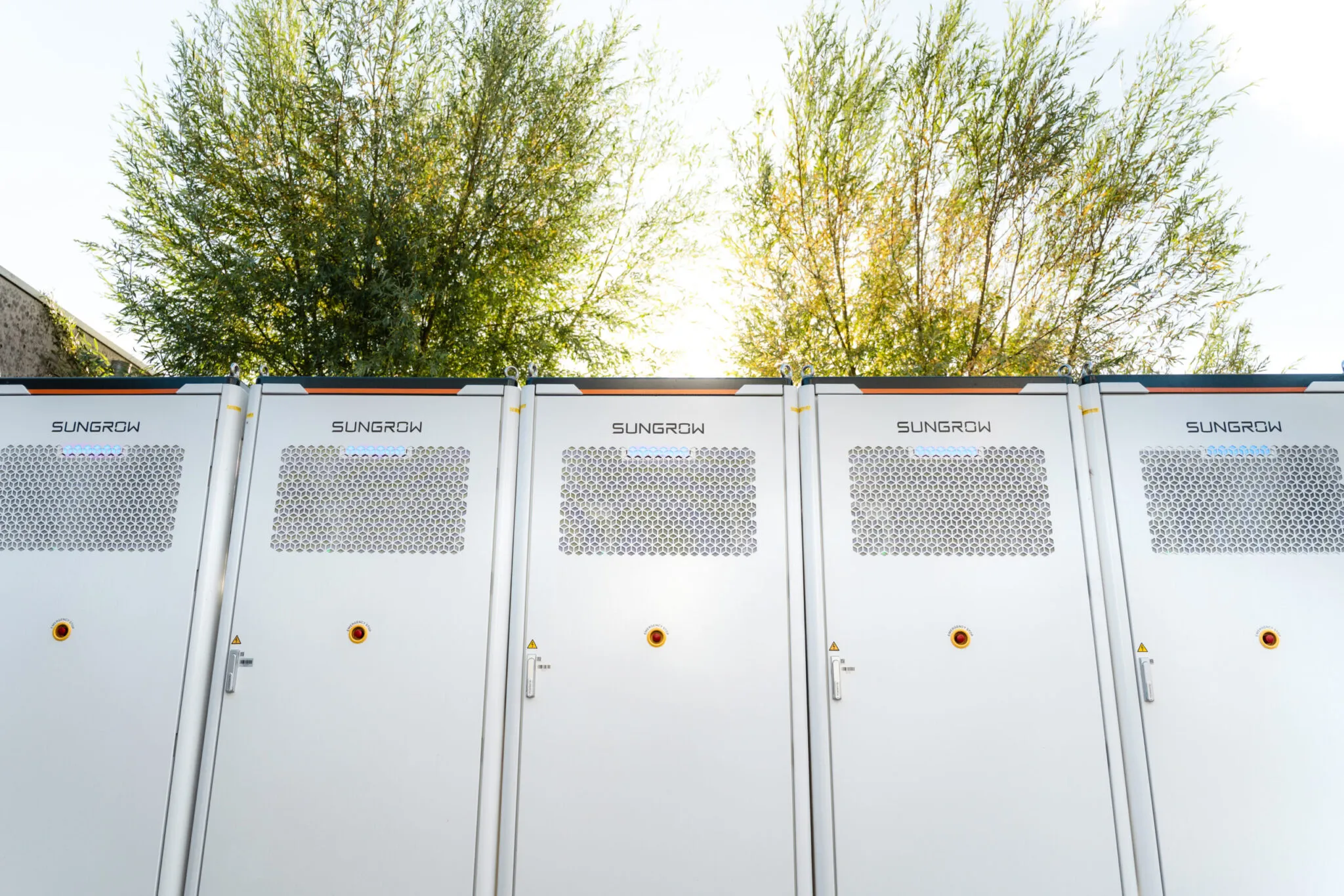
The Flemish Parliament Makes It Official
The power grid in Flanders is at capacity. Not just a little, but structurally. Nearly 1,800 companies are currently on the waiting list with grid operator Fluvius for a new connection or an upgrade. As a result, wait times are increasing and expansion plans are on hold. And the Netherlands, where more than 15,000 companies are in the same situation, shows where we’re headed if nothing changes. Now, the Flemish Parliament is taking a step that will fundamentally change how companies must position themselves on the grid.
What's on the table?
The three majority parties in the Flemish Parliament—Vooruit, N-VA, and CD&V—are working on a draft decree that determines who gets first access to scarce grid capacity. The proposal is nearly complete. The logic is clear: not everyone can be connected at the same time, so an order of priority must be established. Therefore, under the proposed framework, applications will be divided into three categories:
- Families are given priority in any case
- Essential services such as hospitals, schools, and fire departments follow immediately afterward.
- Companies that actively contribute to reducing congestioncan move up to the highest category.
That third point is crucial for any industrial company that wants to electrify or expand and is currently considering investing in energy storage. Data centers and large standalone battery farms rank at the bottom of the list. The scale of this problem is striking: the five largest capacity requests on the Flemish grid currently come from data center and battery developers and together represent more than 9 gigawatts—the equivalent of nine nuclear power plants.
What exactly does “congestion reliever” mean?
A company that installs a battery that draws less power from the grid during peak times, or that agrees to a flexible connection allowing Fluvius to intervene during periods of grid overload, is actively reducing the strain on the grid. In this context, it becomes a congestion reliever. Furthermore, under the new system, congestion relievers are given priority on the waiting list for grid capacity.
That’s no small matter. Imagine: you want to expand your business. You need additional grid capacity. Today, you’re at the back of the line. Tomorrow, once this decree is approved, a properly sized battery with smart energy management could make the difference between waiting another two years or being able to move forward quickly.
That’s not just a theory. The Wildenburg industrial park in Wingene faced exactly this problem: Fluvius wouldn’t be able to deliver the desired grid upgrade to 850 kVA until 2029. Without that capacity, commissioning a new production hall was technically impossible. EnergyKing installed five Sungrow PowerStacks (550 kW / 1,145 kWh) as a local energy buffer. The result: the production hall was immediately operational, without having to wait a single day for grid connection.
A trend we've seen coming for a long time
At EnergyKing, we’ve been convinced for years that a battery is more than just a tool for lowering your energy bill. It’s a strategic asset in your relationship with the grid. We support customers who have drastically reduced their peak capacity, who use a connected EMS to make real-time adjustments and never exceed their maximum draw again, and who can fully utilize their solar panels because the battery absorbs excess production instead of feeding it back into an already full grid.
All these benefits already existed: savings on the capacity charge, higher self-consumption, and lower energy costs. But this decree adds a new dimension. The government officially recognizes that companies that relieve the grid are rewarded with priority. That is a fundamental shift. Energy storage is no longer just a cost item with a payback period. It is infrastructure that determines your market position on the grid.
What should you do now?
Don't wait for the final vote. The proposal is almost ready. The direction is clear. And in the meantime, the waiting lists at Fluvius are growing every month.
Start by analyzing your energy usage profile. The question isn’t “Is a battery right for me?”, but rather “How big should it be, and what benefits will it provide?” Quarter-hourly data from your smart meter will give you a concrete answer.
Make sure your file with Fluvius is in order. To qualify for the priority category for congestion-reduction measures, your connection and installation must be properly documented and applied for. EnergyKing ensures that your file is technically and administratively complete so that Fluvius can correctly assess your installation and place you in the priority category.
The grid is at capacity. The government is taking action. Anyone who invests in energy storage now isn’t just making a smart move to lower their bill—they’re also strategically positioning themselves for what’s to come.
Would you like to know what this means for your business in practical terms? Contact us—we’ll analyze your situation and calculate the benefits a battery system will provide you today and in the future.


